Rural–Urban Development Gap: Causes and Consequences
Medium | 17.01.2026 09:18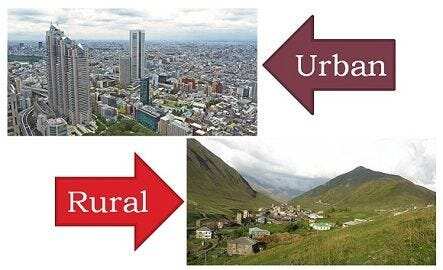
Rural–Urban Development Gap: Causes and Consequences
Follow
4 min read
·
Just now
34
Listen
Share
Introduction
The rural–urban development gap is one of the most persistent structural challenges facing developing and emerging economies.
While cities increasingly function as engines of economic growth, innovation, and opportunity, rural areas often remain characterized by poverty, limited infrastructure, and social exclusion.
This unequal pattern of development has profound implications for economic stability, social cohesion, environmental sustainability, and political governance.
International development institutions such as the World Bank, UNDP, FAO, and UN-Habitat consistently identify spatial inequality between rural and urban areas as a key barrier to inclusive and sustainable development.
Understanding the Rural–Urban Development Gap
The rural–urban development gap refers to systematic disparities between rural and urban areas in terms of:
- Income and employment opportunities;
- Access to education and healthcare;
- Infrastructure and basic services;
- Political representation and institutional capacity;