They Married For Permits: Home Affairs Exposes Foreigners Using SA Wives For Papers
iReport South Africa | 28.05.2026 14:03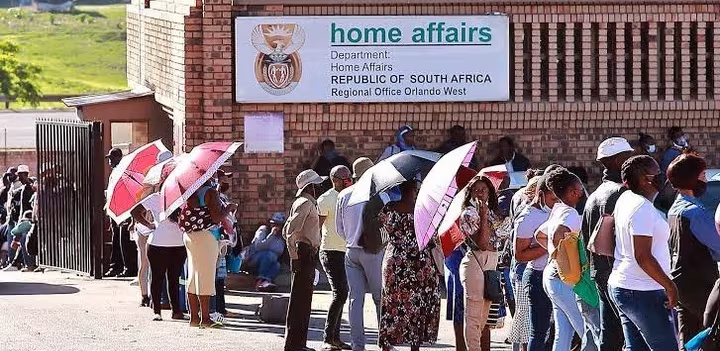
South Africa’s asylum system is facing mounting pressure as the Department of Home Affairs revealed that the country’s refugee status determination backlog has reached approximately 161,000 unresolved cases. The disclosure was made during a briefing to Parliament’s Portfolio Committee on Home Affairs, highlighting severe administrative strain and concerns over the misuse of immigration processes.
The report comes at a time of growing public debate surrounding immigration policy and border management. Civil society groups and political organizations have increasingly called for stricter immigration reforms, arguing that delays within the asylum system are contributing to social and economic tensions across the country.
According to figures presented by a senior Home Affairs official, Ethiopian nationals currently represent the largest portion of the backlog, with about 24,000 active applications and 17,000 inactive cases still awaiting resolution. Authorities also raised concerns regarding alleged fraudulent immigration practices involving Bangladeshi nationals. Officials claim that some individuals are entering marriages of convenience with South African citizens to secure residency permits and business visas unlawfully.
The department further revealed that approximately 84% of active appellants in the asylum backlog are working-age men. This statistic has intensified criticism from labor groups and community organizations that believe the asylum system is increasingly being used for economic migration rather than humanitarian protection.
The crisis has worsened following the withdrawal of support from the United Nations High Commissioner for Refugees (UNHCR), which ended its joint backlog-reduction project with South Africa in 2023. The loss of funding and legal support has significantly reduced the department’s ability to process applications efficiently.
A Home Affairs official stated: “Our asylum framework is under immense, unsustainable pressure. When 84% of your applicants are working-age men, and we see widespread fraudulent marriages used to bypass corporate permit laws, it becomes clear that this is an economic migration issue masking itself as a refugee crisis.”
In response, the Government of National Unity is under increasing pressure to accelerate immigration reforms, including the proposed Omnibus Migration Bill. Authorities are also expanding immigration audits and strengthening fraud investigations. While the government maintains that legitimate asylum seekers will continue to receive constitutional protection, officials say stricter enforcement measures will target fraudulent applications and unlawful immigration activities.
The ongoing debate over South Africa’s domestic labor regulations and immigration enforcement has intensified following a direct warning from a prominent civic leader. Princy Mthombeni, the chairperson of South Africans for Constitutional Reform (SACR), stated that a vast number of undocumented migrants currently living in the country lack valid work permits. According to Mthombeni, this reality exposes systemic vulnerabilities in how the state regulates employment and manages its borders.
Her remarks follow an extraordinary emergency meeting at the Union Buildings in Pretoria. Ministers from the Justice, Crime Prevention and Security cluster convened with leaders of the March and March movement to address a disruptive wave of anti-illegal immigration protests. These demonstrations, which included localized border blockades and unauthorized compliance checks in townships, have recently brought both formal and informal retail networks in major cities to a standstill.
Mthombeni argued that the immigration impasse is deeply connected to South Africa’s broader unemployment crisis. She pointed out that the widespread hiring of undocumented non-nationals in sectors like hospitality, agriculture, and informal retail reflects a severe collapse in labor law enforcement. This dynamic, she explained, undercuts local job seekers and sparks deep community resentment. Mthombeni blamed the Department of Labour’s historically weak workplace inspection record for creating a regulatory vacuum. She warned that this lack of oversight has fueled radical grassroots movements, some of which are now threatening a total national shutdown on June 30, 2026.
The situation has exposed a widening ideological divide within the Government of National Unity regarding immigration policy. While legal watchdogs caution that aggressive, blanket clampdowns might simply drive vulnerable economic refugees further into hiding, conservative factions argue that prioritizing South African workers is a constitutional necessity. With specialized Public Order Policing units currently deployed to protect commercial hubs, the SACR has urged the government to fast-track amendments to the Immigration Act. Mthombeni concluded that by introducing biometric verification and imposing severe fines on business owners who violate hiring laws, the state can restore public trust and prevent citizens from taking the law into their own hands.