From Bobotie to Umngqusho: Traditional South African Dishes Everyone Should Try This Heritage Month
Foodie | 11.09.2026 14:20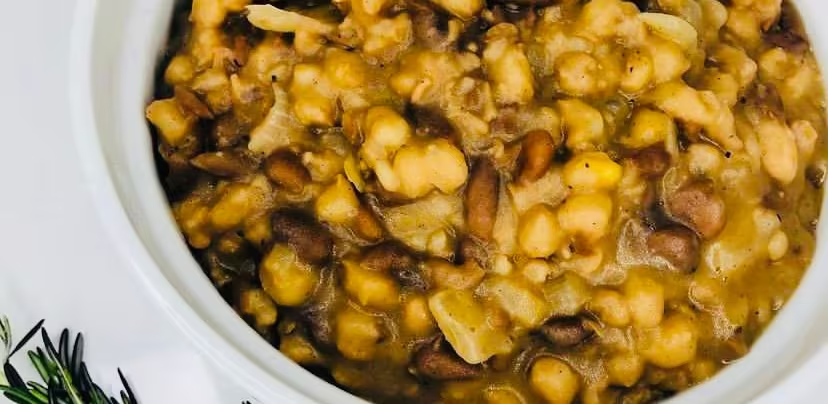
Heritage Month is an opportunity to celebrate the many cultures, traditions and stories that have shaped South African food over generations. Traditional dishes such as bobotie, umngqusho, chakalaka, vetkoek, malva pudding and koeksisters bring together ingredients, cooking methods and family traditions that continue to have a place on South African tables. These dishes are more than recipes because the way they are prepared, served and shared often connects food with family gatherings, celebrations and memories. South African cuisine reflects influences from Indigenous communities, Cape Malay cooking, Indian communities, European settlers and generations of cultural exchange. Many traditional recipes have also been adapted over time, with families adding their own spices, vegetables and cooking techniques to create versions that feel uniquely theirs. Heritage Month is therefore a perfect time to cook familiar favourites while also discovering dishes from different parts of the country. From comforting stews and hearty starches to spicy vegetable dishes and much-loved desserts, these recipes offer a delicious way to explore South African food heritage at home.
Bobotie is one of the most recognisable South African dishes and is known for its fragrant combination of spiced mince, dried fruit and a creamy egg-based topping. The dish is often associated with Cape Malay cooking and has become a favourite at family meals, celebrations and gatherings. Its flavour comes from a carefully balanced combination of curry spices, turmeric, chutney and a touch of sweetness. The creamy topping sets as the dish bakes, creating a contrast with the richly seasoned mince underneath. Bobotie is traditionally served with yellow rice and can be accompanied by chutney, sambals or vegetables.
Ingredients
For the mince
- 500 g beef mince
- 1 tablespoon vegetable oil
- 1 onion, finely chopped
- 2 cloves garlic, minced
- 2 teaspoons mild curry powder
- 1 teaspoon ground turmeric
- ½ teaspoon ground cumin
- ½ teaspoon ground coriander
- 1 teaspoon salt
- ½ teaspoon black pepper
- 2 tablespoons apricot jam or chutney
- 2 tablespoons lemon juice
- 2 tablespoons Worcestershire sauce
- 80 g raisins
- 2 slices white bread
- 150 ml milk
For the topping
- 2 large eggs
- 200 ml milk
- ½ teaspoon ground turmeric
- Salt and black pepper
Preheat the oven to 180°C. Soak the bread in the milk for five minutes, then squeeze out the excess milk and set it aside. Heat the oil in a large frying pan and cook the onion until soft. Add the garlic, curry powder, turmeric, cumin and coriander and cook for another minute to release the aromas.
Add the mince and cook until browned, breaking it up with a wooden spoon. Stir in the salt, pepper, chutney, lemon juice and Worcestershire sauce. Add the raisins and soaked bread, mixing well so the bread breaks down and helps bind the mixture. Transfer everything to a greased baking dish and smooth the surface.
Whisk the eggs, milk, turmeric, salt and pepper together in a bowl. Pour the mixture evenly over the mince. Bake for 30 to 35 minutes or until the topping is set and lightly golden. Allow the bobotie to rest for a few minutes before serving.
Umngqusho
Umngqusho is a traditional Xhosa dish made from samp and beans and is an important part of South African food heritage. Samp consists of dried maize kernels that have been cracked into smaller pieces, while beans add texture and substance to the dish. The ingredients are traditionally cooked slowly until tender, creating a hearty meal with a comforting texture. Different households have their own methods of preparing umngqusho, with some versions kept simple while others include onions, butter or additional seasoning. It can be enjoyed as a substantial dish on its own or served alongside meat, vegetables or a rich stew.
Ingredients
- 300 g samp
- 200 g dried sugar beans
- 1 onion, finely chopped
- 2 litres water
- 1 teaspoon salt
- 30 g butter
- Black pepper to taste
Rinse the samp and beans thoroughly and place them in separate bowls of water to soak overnight. Drain them the following day and rinse them again. Place the samp and beans in a large pot and cover with fresh water. Bring the mixture to a boil, then reduce the heat and simmer for approximately 1½ to 2 hours or until both the samp and beans are tender.
Check the pot regularly while cooking and add more boiling water if necessary. Once the samp and beans are fully cooked, drain any excess water. Add the chopped onion, butter, salt and black pepper and stir gently. Cook for another 10 to 15 minutes until the onion has softened and the flavours have developed.
Serve the umngqusho hot as a hearty traditional dish. It pairs particularly well with slow-cooked meat, stews, vegetables or a rich tomato-based relish. For a richer version, additional butter can be stirred through just before serving.
Chakalaka
Chakalaka is a spicy vegetable relish that has become a much-loved part of South African food culture. It is often served alongside pap, bread, grilled meat and other traditional dishes. The combination of onions, tomatoes, peppers, carrots and spices creates a dish that is colourful, aromatic and full of flavour. The heat can easily be adjusted by changing the amount of chilli used. Chakalaka can be served warm or chilled, making it useful for both everyday meals and gatherings.
Ingredients
- 2 tablespoons vegetable oil
- 1 large onion, finely chopped
- 2 cloves garlic, minced
- 1 green pepper, diced
- 1 red pepper, diced
- 3 carrots, grated
- 2 tomatoes, chopped
- 2 tablespoons tomato paste
- 1 teaspoon mild curry powder
- ½ teaspoon smoked paprika
- 1 small red chilli, finely chopped
- ½ teaspoon salt
- 100 ml water
Heat the oil in a large frying pan and cook the onion until softened. Add the garlic, peppers and chilli and cook for three to four minutes. Stir in the grated carrots and cook for another five minutes. Add the tomatoes and tomato paste and mix thoroughly.
Sprinkle in the curry powder, smoked paprika and salt. Add the water and stir well. Cover the pan and simmer for approximately 15 minutes, stirring occasionally. The vegetables should be tender while retaining some texture.
Taste and adjust the seasoning according to your preference. Allow the chakalaka to cool slightly before serving or refrigerate it if you prefer it cold. Serve it with pap, bread, umngqusho or grilled meat.
Vetkoek
Vetkoek is a simple fried dough that can be enjoyed with savoury or sweet fillings. Its versatility has made it a familiar favourite at breakfasts, family gatherings, markets and casual meals. The dough is soft inside while the outside becomes golden and crisp during frying. Vetkoek can be filled with curried mince, cheese, polony or leftover stew, while sweeter versions can be served with jam, syrup or cinnamon sugar. Making the dough from scratch requires only a few basic ingredients.
Ingredients
- 500 g cake flour
- 10 g instant dry yeast
- 1 tablespoon sugar
- 1 teaspoon salt
- 300 ml lukewarm water
- 1 tablespoon vegetable oil
- Vegetable oil for deep frying
Combine the flour, yeast, sugar and salt in a large bowl. Add the lukewarm water and one tablespoon of oil and mix until a soft dough forms. Knead the dough for approximately eight minutes until smooth and elastic. Cover the bowl with a clean cloth and leave the dough in a warm place for about one hour or until doubled in size.
Knock the dough down gently and divide it into eight to ten equal pieces. Shape each piece into a ball and allow them to rest for another 10 minutes. Heat enough oil in a deep saucepan to allow the dough to float freely. Fry the vetkoek in batches until golden brown on both sides and cooked through.
Remove each piece with a slotted spoon and drain on kitchen paper. Allow them to cool slightly before cutting them open. Fill with savoury mince for a meal or serve with jam for a sweet option.
Malva Pudding
Malva pudding is a classic South African dessert known for its soft sponge and rich, creamy sauce. The pudding contains apricot jam, which gives it a distinctive sweetness and helps create its moist texture. Once baked, a warm butter, cream and sugar sauce is poured over the pudding so that it absorbs into the sponge. It is traditionally served warm and works particularly well with custard, cream or ice cream. This is an ideal dessert for a Heritage Month meal because it is comforting, generous and easy to share.
Ingredients
For the pudding
- 150 g caster sugar
- 2 large eggs
- 1 tablespoon apricot jam
- 150 g plain flour
- 1 teaspoon bicarbonate of soda
- ¼ teaspoon salt
- 250 ml milk
- 1 tablespoon vinegar
- 50 g melted butter
For the sauce
- 100 g butter
- 150 g caster sugar
- 200 ml cream
- 100 ml hot water
- 1 teaspoon vanilla extract
Preheat the oven to 180°C and grease a medium baking dish. Beat the sugar and eggs together until light and creamy. Add the apricot jam and melted butter and mix well. Combine the flour, bicarbonate of soda and salt in another bowl.
Mix the milk and vinegar together. Add the dry ingredients to the egg mixture alternately with the milk mixture, stirring gently until smooth. Pour the batter into the prepared baking dish and bake for approximately 35 to 40 minutes. The pudding should be golden and firm on top while remaining soft inside.
While the pudding bakes, prepare the sauce. Place the butter, sugar, cream and hot water in a saucepan and heat gently until the butter melts and the sugar dissolves. Stir in the vanilla extract. Remove the pudding from the oven and immediately pour the warm sauce evenly over the surface.
Allow the pudding to stand for several minutes so that the sauce can soak into the sponge. Serve warm with custard, whipped cream or vanilla ice cream. Refrigerate leftovers in a sealed container and reheat gently before serving.
Koeksisters
Koeksisters are deep-fried plaited dough pastries soaked in a cold syrup. They are crisp on the outside and sticky and sweet after being dipped into the syrup. The preparation requires some patience because the syrup should be chilled before the freshly fried pastries are added. They are often enjoyed as a special treat with tea or coffee. Making them at home also gives you an opportunity to experience one of the country’s best-known traditional sweet recipes.
Ingredients
For the dough
- 500 g cake flour
- 2 teaspoons baking powder
- ½ teaspoon salt
- 50 g butter
- 1 large egg
- 200 ml milk
- Vegetable oil for frying
For the syrup
- 500 g sugar
- 300 ml water
- 1 tablespoon lemon juice
- 1 teaspoon ground ginger
- 1 cinnamon stick
To make the syrup, combine the sugar, water, lemon juice, ginger and cinnamon in a saucepan. Bring to a boil and simmer for approximately five minutes without stirring. Remove from the heat and allow the syrup to cool completely. Refrigerate it until thoroughly chilled.
For the dough, combine the flour, baking powder and salt in a bowl. Rub in the butter until the mixture resembles fine crumbs. Beat the egg and milk together and add them gradually to the flour mixture. Mix until a soft dough forms.
Knead the dough lightly until smooth, then cover and allow it to rest for 30 minutes. Roll the dough out to approximately 1 cm thick and cut it into strips. Plait three strips together, pressing the ends firmly to seal them.
Heat the oil and fry the koeksisters in batches until deep golden brown. Remove them from the oil and immediately dip them into the chilled syrup. Turn them so that the syrup coats all sides before transferring them to a serving plate. Keep the syrup cold throughout the process because the contrast between the hot koeksisters and cold syrup helps create their characteristic texture.
Pap With Tomato and Onion Relish
Pap is a staple food made from maize meal and is served in many South African households. It can be prepared soft and creamy or firmer depending on how much water is used and how long it cooks. While pap itself is simple, it works as a base for many richly flavoured dishes. A tomato and onion relish adds colour, sweetness and acidity and can turn plain pap into a satisfying meal. This combination is especially useful when served alongside chakalaka, grilled meat or stews.
Ingredients
For the pap
- 250 g maize meal
- 750 ml water
- ½ teaspoon salt
- 30 g butter
For the relish
- 2 tablespoons vegetable oil
- 1 onion, finely chopped
- 2 cloves garlic, minced
- 3 tomatoes, chopped
- 1 tablespoon tomato paste
- ½ teaspoon paprika
- ½ teaspoon salt
- Black pepper to taste
Bring the water and salt to a boil in a large saucepan. Gradually add the maize meal while stirring continuously to prevent lumps. Reduce the heat, cover the saucepan and simmer for approximately 30 minutes, stirring occasionally. Add the butter and mix until the pap is smooth and creamy.
For the relish, heat the oil in a frying pan and cook the onion until soft. Add the garlic and cook for one minute before adding the tomatoes and tomato paste. Stir in the paprika, salt and black pepper and simmer for 15 minutes until the tomatoes form a thick sauce. Serve the warm relish over the pap.
Making Heritage Month Meals at Home
A Heritage Month meal does not need to include every traditional dish at once. Choosing two or three recipes with different textures and flavours can create a balanced table without making the preparation overwhelming. For example, bobotie can be served with yellow rice and a fresh sambal, while umngqusho can accompany a slow-cooked meat dish and chakalaka. Vetkoek can work as a starter or casual meal, while malva pudding provides a comforting dessert. Building a menu around a few dishes also gives you time to prepare each recipe carefully.
Cooking traditional food is also a chance to involve family members in the kitchen. Older relatives may have their own recipes or techniques that have been passed down through generations, while younger cooks can bring new ideas to familiar dishes. Comparing different versions of the same recipe can reveal how much South African cooking varies between households. Ingredients can also be adjusted according to personal taste without losing the character of the dish. The most important part is creating food that people can enjoy together and connect with.
Bringing Traditional Flavours to the Modern Table
Traditional South African dishes can easily fit into modern home cooking without losing their identity. Bobotie can be prepared in individual portions, vetkoek can be filled with different savoury combinations and chakalaka can be served as a vibrant side dish with everyday meals. Leftover umngqusho can also be reheated and served with vegetables or grilled meat the following day. Malva pudding can be prepared in smaller dishes for individual desserts. These simple adjustments make traditional recipes practical for contemporary households while keeping their familiar flavours.
The ingredients used in these dishes are also generally accessible, which makes them suitable for home cooks with different levels of experience. Maize meal, samp, beans, flour, onions, tomatoes, spices and seasonal vegetables can form the foundation of many traditional meals. Once you become comfortable with the basic techniques, it becomes easier to experiment with flavours and create your own variations. Cooking from scratch can also be more rewarding than simply buying prepared versions because you can control the seasoning and texture. Heritage Month provides a natural reason to return to these recipes and make them part of regular family cooking rather than limiting them to one celebration.
Traditional South African food tells stories through ingredients, preparation methods and the occasions on which dishes are shared. Bobotie, umngqusho, chakalaka, vetkoek, malva pudding, koeksisters and pap each offer a different taste of the country’s rich culinary heritage. Cooking these dishes at home allows families to experience traditional flavours while adapting recipes to suit modern kitchens and individual preferences. Heritage Month is also an opportunity to learn about the people, communities and generations behind the food rather than viewing traditional dishes simply as recipes. Sharing a meal creates space for conversations about family memories, cultural traditions and the different ways food has been passed from one generation to another. Whether you prepare an elaborate Heritage Month feast or start with one simple dish, every recipe can become an opportunity to appreciate the diversity of South African cooking. This Heritage Month, bring traditional flavours to the table, invite others to share the meal and allow these much-loved dishes to remain part of the country’s living food culture.