What's happening with the assisted dying bill?
BBC | 12.12.2025 21:01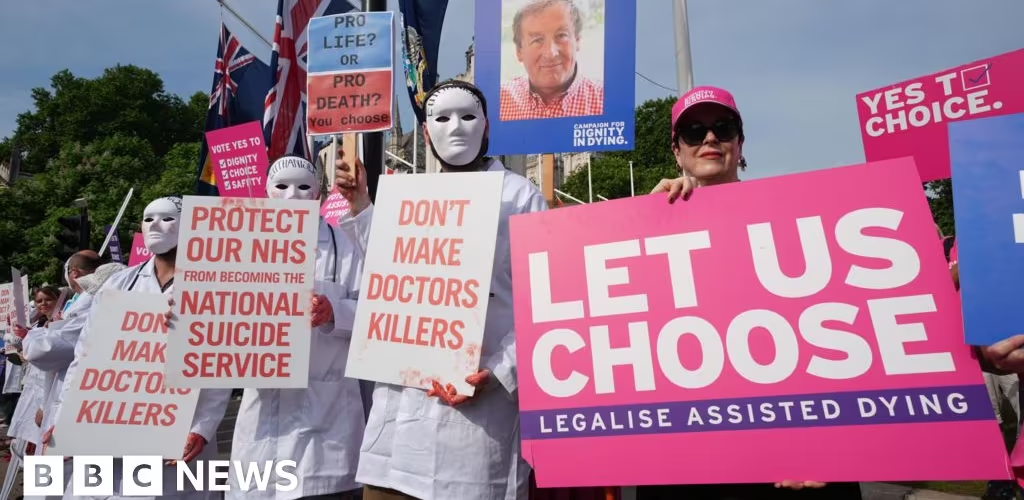
It was more than a year ago that MPs first gave their backing to proposed legislation which would introduce assisted dying in England and Wales, in an historic House of Commons vote.
In its current form, the Terminally Ill Adults (End of Life) Bill would allow people over the age of 18, who are expected to die within six months, to be given help to end their own life, subject to certain safeguards.
But the legislation continues to generate huge controversy, with passionate arguments for and against.
The House of Lords is on its fourth of 14 days allocated for detailed scrutiny of the bill and it's still some way off becoming law.
So what is causing the hold-up? And is there a chance that it might never come into force?
What's happened so far
The bill was introduced to Parliament by Labour MP Kim Leadbeater back in October 2024.
It is known as a private member's bill because it was put forward by a backbench MP rather than the government.
MPs spent many days debating the draft legislation in the House of Commons and first voted in favour of the principle of the bill in November last year, by a majority of 55.
A smaller committee of MPs from both sides of the debate then spent months considering more than 500 proposed changes.
Further debate and votes on amendments followed in the Commons before MPs voted by a majority of 23 in June for the bill to progress to the House of Lords.
Peers are now carrying out line-by-line scrutiny of the legislation and proposing their own changes.
What needs to happen before the bill can become law?
The bill can only become law if both Houses of Parliament agree on its final wording.
This must happen before next spring, when the current session of Parliament is expected to end.
Are Lords trying to block the bill?
Members of the House of Lords have proposed more than 1,000 changes to the bill - known as amendments - which experts believe is a record number for a bill proposed by a backbench MP.
Supporters of assisted dying have raised concerns that the number of amendments, as well as the slow progress debating them, is a delaying tactic by opponents aimed at blocking the bill from becoming law.
They argue it would be undemocratic for unelected peers to frustrate a bill which has already been approved by elected MPs.
Leadbeater, the MP behind the bill, told the BBC she welcomes scrutiny by the Lords but claimed many of these amendments are unnecessary and even "cruel".
She pointed to examples such as proposals that someone seeking an assisted death should not have left the country within the last 12 months and that any assisted death should be filmed.
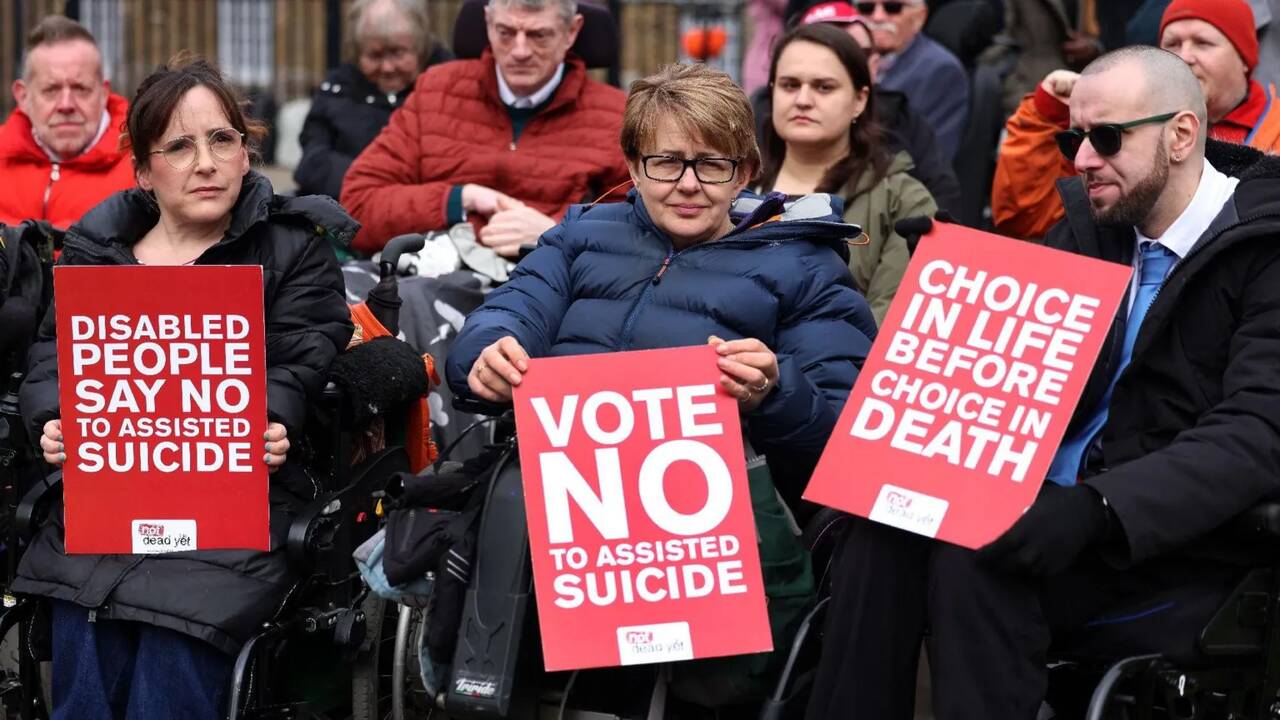
Opponents insist they are not obstructing the bill but say significant changes are needed to make it safe and ensure vulnerable people are protected.
Independent crossbench peer and former Paralympian Baroness Tanni Grey-Thompson told the BBC the bill was "badly written" and had significant gaps, with many of the amendments aimed at preventing coercion.
She pointed out MPs had also put forward large numbers of amendments and peers were simply doing their job by scrutinising the legislation.
What is the government's position?
Before he became prime minister, Sir Keir Starmer had publicly supported the idea of assisted dying and during last year's general election campaign he said he would provide parliamentary time for a vote if a backbench MP proposed changing the law.
However, the government has said it is neutral on the bill and it is being treated by parties as a matter of conscience, meaning they will not instruct their MPs or peers how to vote.
Ministers have ruled out using time set aside for debating government legislation.
But the government's chief whip in the Lords has given peers an extra 10 Friday sessions to debate it. Fridays are traditionally used for non-government business.
Could the bill fail?
Despite the additional days allocated, there is still a real risk the bill could run out time to become law.
There is a possibility even more time could be granted - but if the bill is not passed by both Houses by the end of the current session of Parliament in spring, it will fall.
Unlike government bills, those put forward by backbench MPs cannot be carried over into the next session.
This means any bill to introduce assisted dying would have to start the parliamentary process again from scratch.
Some MPs in favour of assisted dying have raised using the Parliament Act - a rarely-used piece of legislation invoked when MPs and peers cannot agree - as a potential option to allow the bill to be carried over.
However, experts say this would be unprecedented for a private member's bill and challenging to implement.
The Parliament Act was last used in 2004 to push through a ban on fox hunting.
By convention, the House of Lords does not block bills which were included in a government's election manifesto from becoming law but this would not apply in this case.
Given MPs have already backed the bill, it would still be controversial for unelected peers to obstruct its passage - but not impossible.
Sign up for our Politics Essential newsletter to keep up with the inner workings of Westminster and beyond.