Suspended police commissioner Fannie Masemola’s charges are precedent-setting
Explain | 24.04.2026 15:10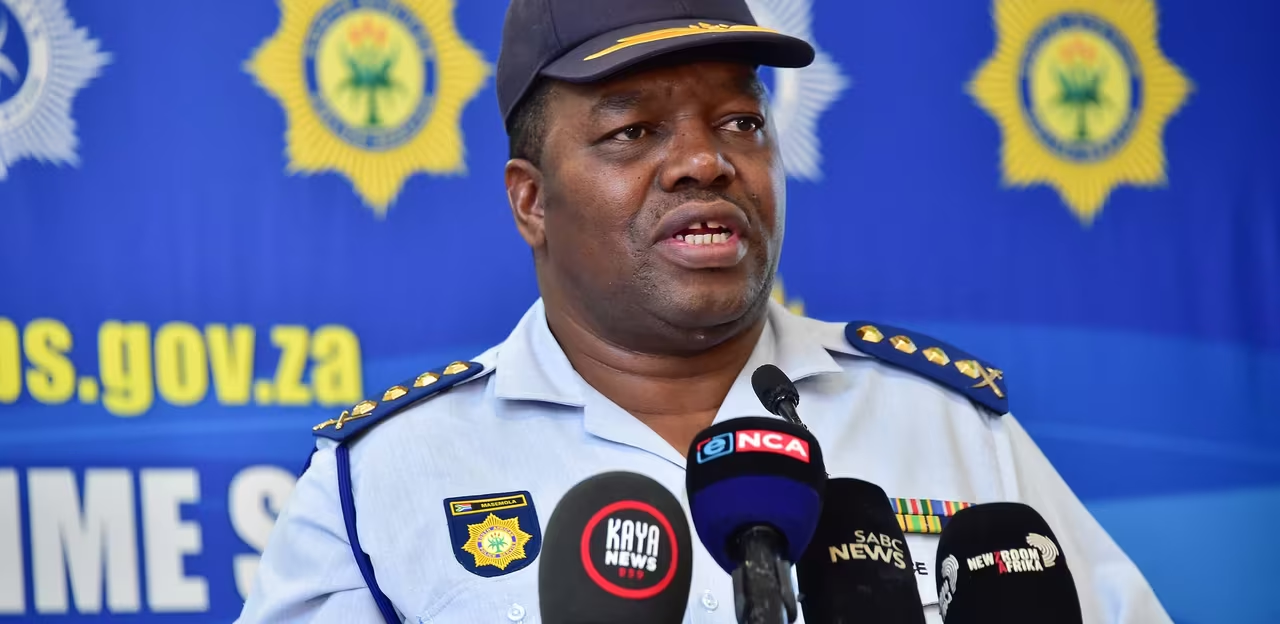
It was only a matter of time.
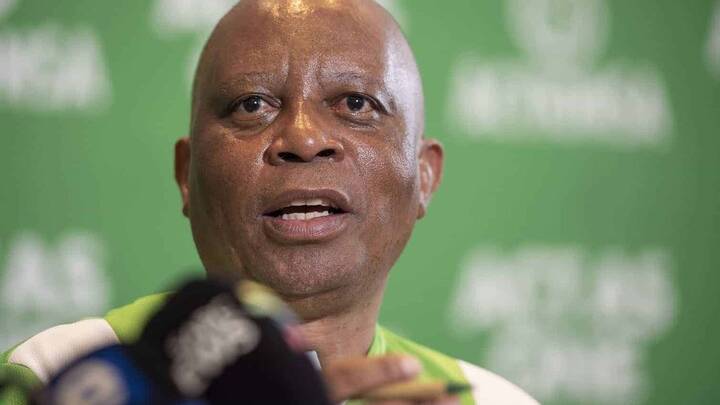
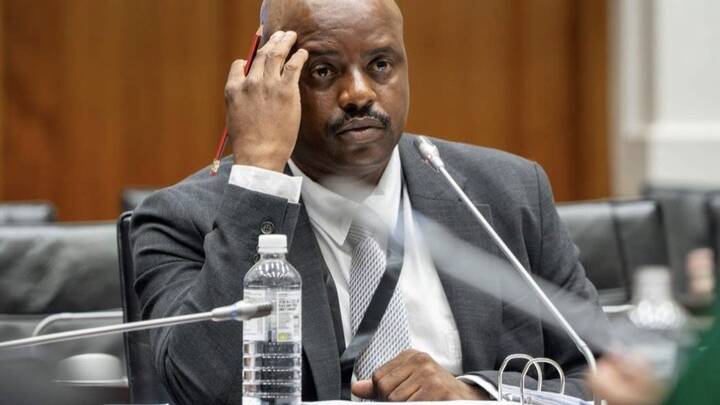
President Cyril Ramaphosa announced at a briefing this afternoon that National Police Commissioner General Fannie Masemola has been placed on precautionary suspension, following his appearance in the Pretoria Magistrate’s Court on Tuesday.
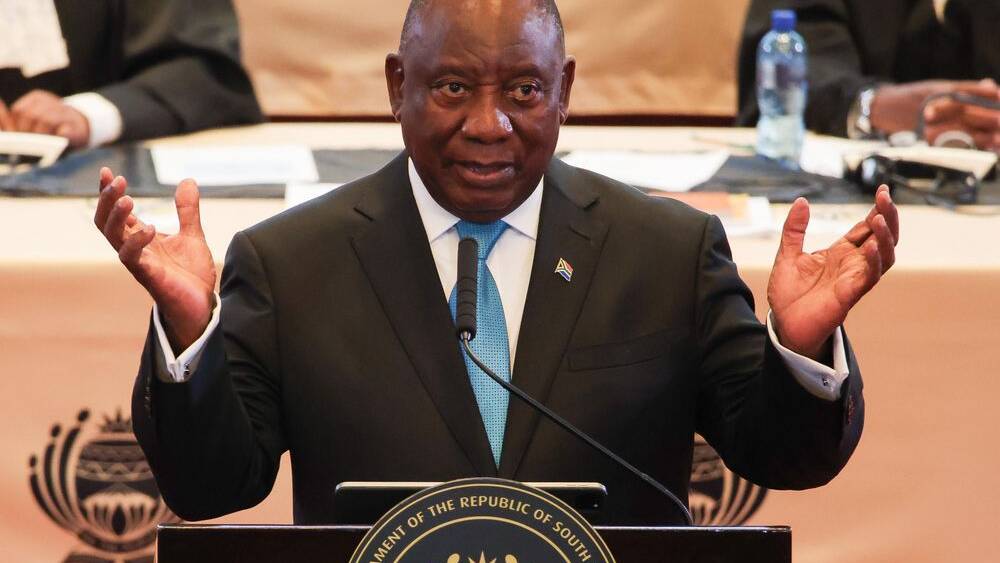
“In consideration of the seriousness of these charges and the critical role that the national commissioner of police plays in leading the fight against crime, I have agreed with Gen Masemola that he be on precautionary suspension pending the conclusion of the case to ensure stability and continuity in the South African police force,” Ramaphosa said in an address to the nation on Thursday afternoon.
In the briefing, the president said that SAPS Chief Financial Officer Lieutenant General Puleng Dimpane would be acting national police commissioner.
There was a growing chorus of calls for Ramaphosa to suspend Masemola this week, from the DA, civil society groups, and even the ANC’s own parliamentary caucus, before a media briefing was announced on Thursday morning.
Masemola joins a long line of disgraced police commissioners from Jackie Selebi to Bheki Cele and Riah Phiyega.
But his suspension was no surprise, given the level of dysfunction and corruption laid bare over the past year when it comes to our police services – from the Madlanga Commission to parliament’s own inquiry.
The charges Masemola faces are extraordinary. You’re used to hearing about public officials being accused directly of corruption. This time, one is being charged for not stopping it as the accounting officer.
In this role, Masemola twice ignored warnings that a tender process was irregular. Instead of acting, he did nothing. The result? That tenderpreneur you keep hearing about, Vusimuzi “Cat” Matlala, was paid R50 million before his company’s R360 million healthcare contract was finally cancelled. Must be nice.
Now Masemola faces four counts of contravening the Public Finance Management Act (PFMA). The matter has been postponed to 13 May.
As political journalist Qaanitah Hunter puts it, this is possibly the first time an accounting officer will be successfully prosecuted under section 28 of the PFMA.
Prosecutors are now joining his case to that of Matlala and 15 others accused of corruption. Masemola has, of course, protested loudly, saying he didn’t commit the actual corruption. But this prosecution strategy – and Ramaphosa’s announcement today – sends a powerful signal: you’re as guilty as the people who stole the money if you stood by and let it happen.