The Red and Yellow Suits Behind a Safer Summer at Clifton Beach
Good Things Guy | 12.02.2026 13:30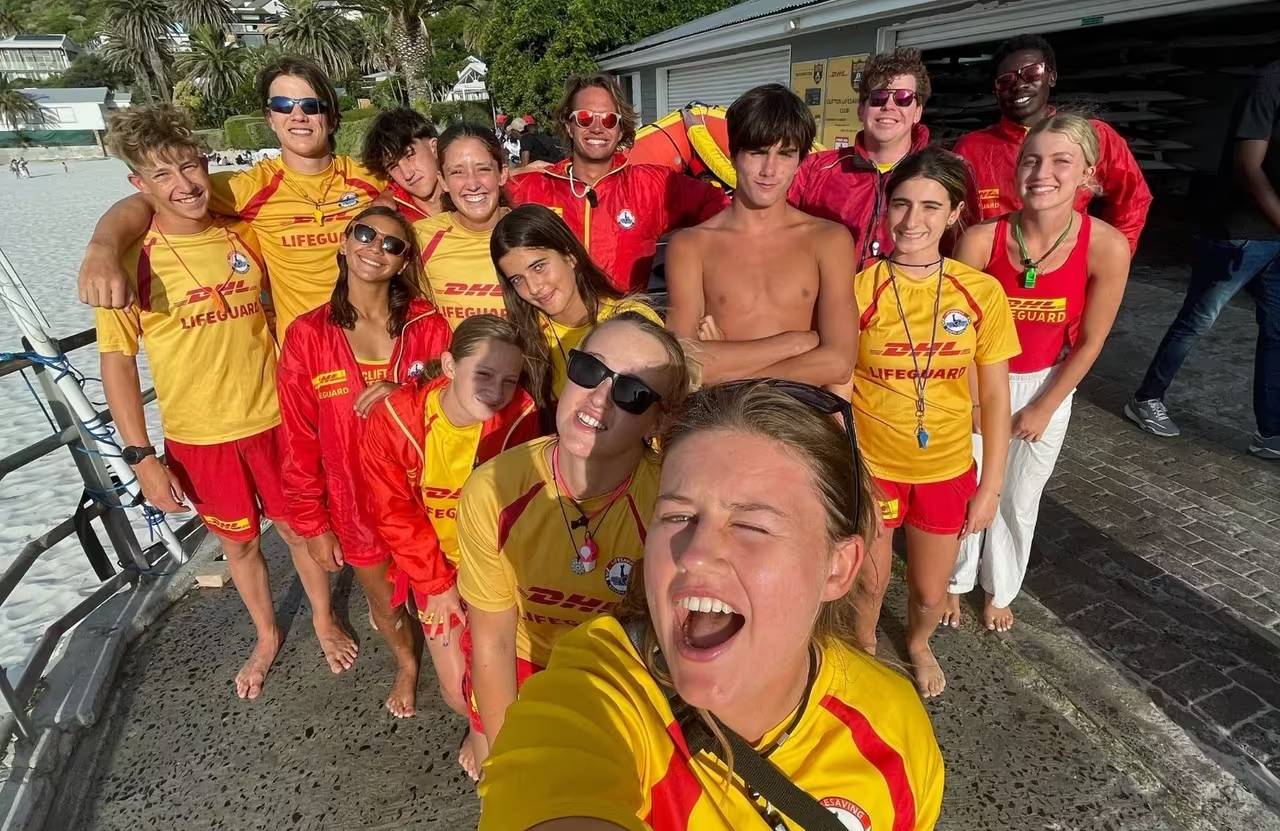
While people poured onto the beach to soak up the sun at Clifton over the holidays, it became a busy season for the young heroes in red who kept everyone safe.
Cape Town, South Africa (12 February 2026) – This season, Clifton Surf Lifesaving Club’s dedicated lifeguards clocked 2052 hours on duty across the Clifton beaches! The club consists mostly of young volunteers who freely give their time and skills to saving lives.
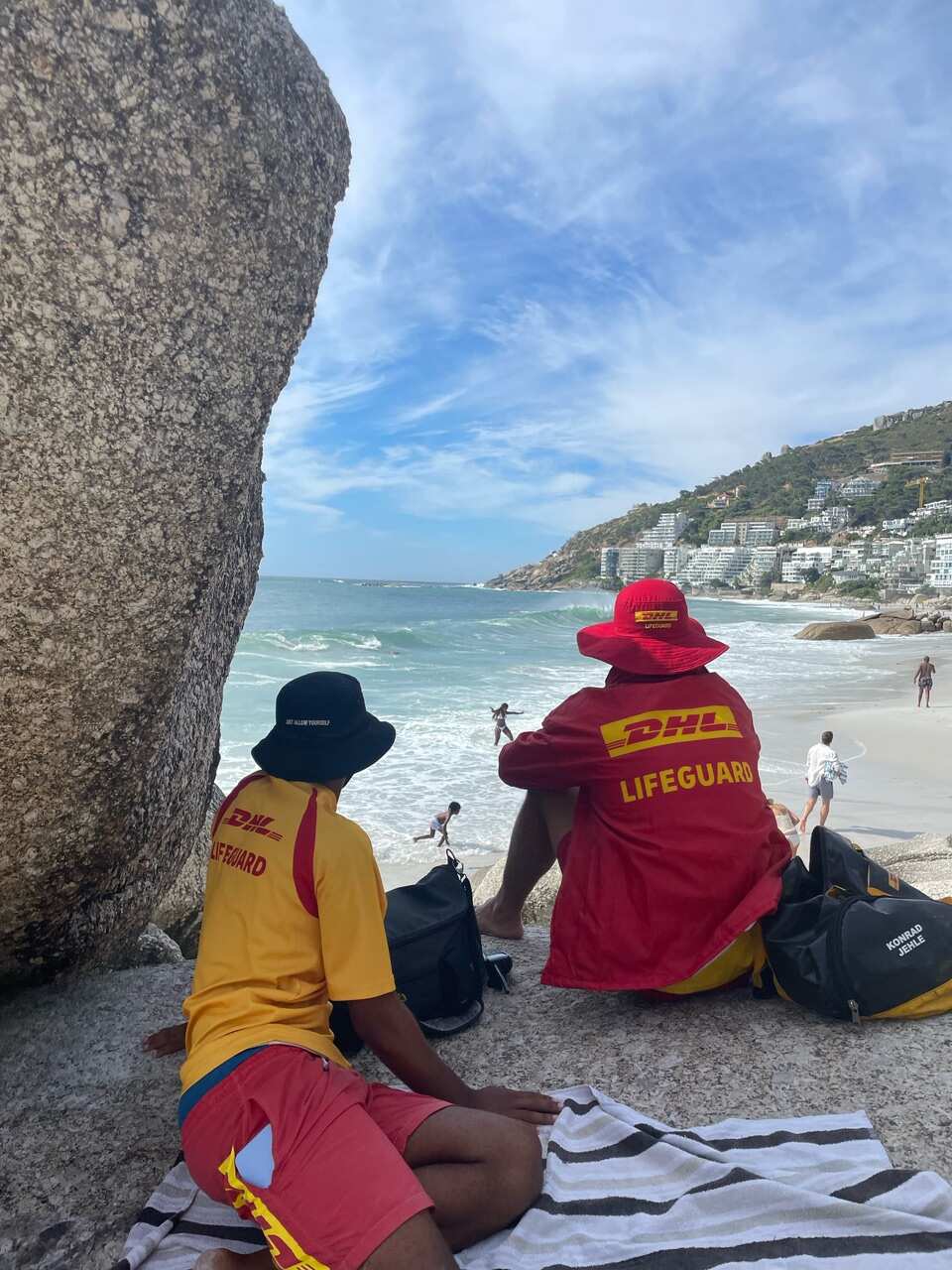
“Behind every safe day at the beach, there’s a lifeguard ready to act. Over the December and January months, tens of thousands of tourists and locals make their way to Cape Town’s iconic beaches. Clifton Surf Lifesaving Club’s unsung heroes voluntarily give up their time to safeguard our beaches” says Clifton Surf Lifesaving Club’s Patrol Captain, Paul Lassen.
Work was cut out for the young volunteers, who aren’t just vigilant observers at the beach; they are highly trained professionals who act with bravery and expertise when every moment counts. Becoming a lifeguard requires year-round physical training, medical knowledge, and hands-on practice to be able to know what to do when the need calls for it.
Within the past three months alone, the Clifton Surf Lifesaving Club treated 30 medical incidents. They successfully performed CPR on two occasions, one for a heart attack patient and the other after a young boy went under the waves and was rescued and brought back to life.
On 4 January 2026, a young boy was pulled unconscious from the shorebreak at Clifton 4th Beach.
Lifeguards Len Brandes, Jessie Allot and Alexa Heldsinger had been watching him as he played in the waves. When he didn’t surface again, Jay Samuels moved in immediately.
The team brought him to shore and began CPR. Within two minutes, he coughed up water and started breathing again.
Because they were watching. Because they were trained. Because they acted fast.
On 9 November 2025, a 19-year-old male jumped from a rocky ledge and sustained a serious neck injury.
Lifeguards Emily Roff and Tyler Ernstzen reached him quickly and stabilised his spine in the water, keeping him calm while calling for backup. Working together with fellow lifeguards and EMS, they ensured he was safely transported to Groote Schuur Hospital.
On 14 December 2025, an elderly woman collapsed on the stairs at Clifton 4th Beach.
Lifeguards Ellen Hodgkinson and Bronson Shaw found her unresponsive. CPR was started and an AED was used when her condition worsened. Additional lifeguards assisted until emergency services arrived.
Her pulse was restored before she was transported to hospital.
Three separate days. Three emergencies that could have ended differently.
“These heroic efforts are worth noting and celebrating; however, stats that are seldom noted are the countless ‘preventative actions’ taken by our lifeguards to prevent an incident or drowning from taking place. Things like, warning the public from swimming in a rip or preventing young kids from jumping off rocks into shallow water. It is these small preventative actions that result in safe and joyous times along our coast. Know that when you visit the Clifton Beaches, the Clifton lifeguards are keeping a watchful eye over you and your family,” shares Lassen.
The club leaves us with a few helpful beach safety tips to keep in the back pocket.
General Beach and Water Safety Tips
1. Never Dive Headfirst into Shallow Water: Always enter feet first to avoid hidden hazards lurking beneath the surface, such as rocks.
2. Avoid Jumping from Rocks or Structures: A stunning view is not worth risking serious injury – steer clear of these tempting spots.
3. Respect Lifeguard Instructions: Lifeguards are there for your safety – listen to their directions regarding where to swim and other safety precautions.
4. Swim Only in Designated Areas: Staying within lifeguarded zones, between the yellow flags, gives you access to assistance if needed.
5. Watch for currents and rips: Even in seemingly calm waters, there can be unsuspecting rip currents that can sweep you out of your comfort zone.
6. Never leave a child unattended on a beach or near the water: Children can quickly be swept into deep waters, and a drowning takes silent seconds.
7. Be aware of the sun: Heat exhaustion and sunstroke can creep up on you. Drink lots of water and stay cool.
How to Get Out of a Rip Current
1 Stay Calm: Open water can be intimidating. If caught in a rip current, keeping calm is key. Avoiding panic helps to save energy and allow for clear thinking.
2 Swim Parallel to the Shore: Instead of struggling against the current, swim sideways until you feel it weakening, then head back to shore at an angle.
3 Float or Tread Water: If you’re exhausted, it’s best to float on your back or tread water. This conserves energy while you wait for assistance.
4 Signal for Help: Always keep an eye out for lifeguards. Raising an arm and shouting can make the difference during a stressful situation.