“Fire Him Now” – Mathews Phosa Demands President Ramaphosa Dismiss Police Minister Senzo Mchunu
iReport South Africa | 25.03.2026 21:55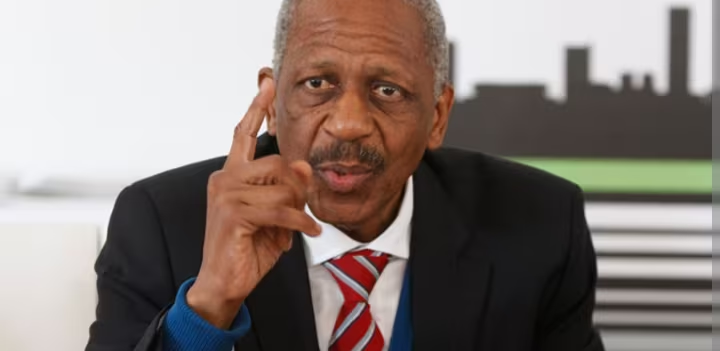
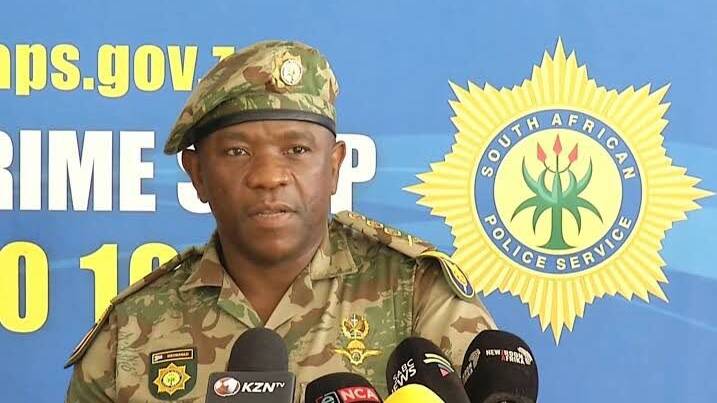
A fresh political storm is brewing in South Africa after senior African National Congress (ANC) figure Mathews Phosa publicly called on President Cyril Ramaphosa to immediately dismiss embattled Police Minister Senzo Mchunu.
In a strongly worded statement that has quickly gained national attention, Phosa did not mince his words: “President Cyril Ramaphosa must fire embattled Police Minister Senzo, F.I.R.E. Fire him, he’s a criminal.” The blunt remark underscores growing frustration within political circles over allegations and controversies surrounding the minister.
Phosa, a respected veteran within the ANC and former premier of Mpumalanga, framed his comments as a call for accountability and ethical leadership at the highest levels of government. His remarks come at a time when public trust in law enforcement institutions remains under strain, with ongoing concerns about corruption and governance failures.
While Phosa did not provide detailed evidence to substantiate his claim in the statement, his use of such direct language signals deep dissatisfaction and raises the political stakes for the presidency. Analysts suggest that such criticism from within the ANC ranks could intensify pressure on Ramaphosa to act decisively.
The Presidency has yet to issue an official response to Phosa’s remarks. Similarly, Minister Mchunu has not publicly addressed the allegations or the call for his removal at the time of publication.
Political observers note that Ramaphosa faces a delicate balancing act. On one hand, he has consistently positioned his administration as committed to fighting corruption and restoring integrity in public office. On the other, internal party dynamics and the principle of due process may influence how swiftly—or cautiously—he responds.
Civil society groups have also weighed in, with some echoing the need for transparency and accountability, while others warn against trial by public opinion without formal investigations.
As the situation unfolds, the spotlight remains firmly on the Union Buildings. Whether President Ramaphosa will heed Phosa’s call or await formal processes could have significant implications for both his administration’s credibility and the broader fight against corruption in South Africa.
For now, Phosa’s emphatic message has reignited debate: how far should political leaders go in holding one another accountable—and how quickly should action follow.