A Fractured Alliance: Tokyo Sexwale Accuses Ramaphosa of Deceiving the Nation
iReport South Africa | 25.05.2026 17:26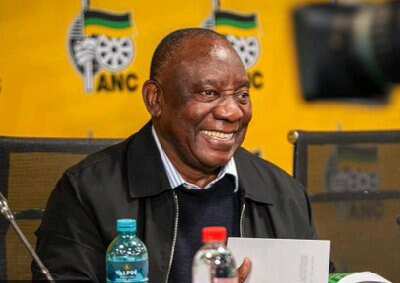
The African National Congress (ANC) is once again making headlines for all the wrong reasons, as internal fissures have exploded into the public eye. In a stunning and direct attack on the party’s leadership, prominent politician and business tycoon Tokyo Sexwale has accused President Cyril Ramaphosa of lying to the people of South Africa. This is not a mere policy disagreement; it is a grave allegation from a seasoned comrade that strikes at the heart of the President’s credibility. Sexwale’s intervention suggests that the discontent within the ruling party regarding transparency and governance has reached a boiling point that can no longer be contained behind closed doors.
Sexwale, a former Robben Island prisoner and cabinet minister, carries significant weight within the liberation movement, making his words particularly damaging to the presidency. By publicly stating that Ramaphosa “lied,” he is challenging the narrative that the current administration is clean and transparent. While specific details of the alleged lie vary depending on the context of his address ranging from promises made during elections to the handling of the Phala Phala scandal—the sentiment resonates with a voter base that feels increasingly let down by those in power. It validates the frustration of citizens who feel that the “New Dawn” promised years ago has failed to materialize.
This public rebuke highlights the deep-seated factionalism that continues to paralyze the ANC. For months and years, there have been whispers of a ” RET” (Radical Economic Transformation) faction versus the CR17 faction, but Sexwale’s boldness moves this from whispers to shouts. It signals that loyalty to the individual leading the party is fracturing. When a figure of Sexwale’s stature feels compelled to speak out, it indicates that internal channels for resolving grievances are either blocked or broken. He is effectively positioning himself and perhaps a silent majority within the NEC as the moral conscience against what he perceives as deception at the highest level.
Ultimately, these developments are catastrophic for the ANC’s image as it attempts to stabilize its support base. Allegations of lying from within the family are far more potent than attacks from opposition parties because they carry the authenticity of an insider. As South Africans digest Sexwale’s bombshell, the pressure mounts on the Presidency to respond not just with denials, but with evidence. In a democracy already weary of scandal, being called a liar by one’s own comrades is a label that could prove politically fatal, further eroding the trust required to govern effectively.
A social media post has claimed that cultural activist Ngizwe Mchunu has launched a public attack against Economic Freedom Fighters leader Julius Malema during a media appearance covered by MDN NEWS. In a video recording shared across social media networks, the media figure openly referred to the opposition political leader as stupid, according to the upload. Furthermore, Ngizwe Mchunu allegedly accused Julius Malema of deliberately sacrificing his former political deputy, Floyd Shivambu, amid internal friction and leadership realignments within the political organisation.
The publication, which includes video footage and accompanying photographs, captures the media personality delivering his critique of the opposition party’s executive management, according to the social media post. The remarks follow the political departure of Floyd Shivambu, who served as the deputy president of the organisation before transitioning to an alternative political formation. Ngizwe Mchunu utilised the public platform to question the strategic competence of the party leader, reportedly attributing the organisational fragmentation directly to his leadership style.
The digital post immediately triggered a wave of debates between supporters of the political organisation and followers of the activist, though the upload did not specify the date of the recording. Many commentators noted that the public relationship between the two figures has deteriorated, resulting in public spats and ongoing legal battles. Critics of the activist argued that his comments represent unverified political speculation intended to deepen divisions, while supporters viewed his statements as an assessment of contemporary political dynamics.
The alignment and subsequent separation of prominent political figures consistently generate interest within South Africa’s democracy. Media analysts observe that public commentary from influential cultural figures can influence public perception during times of organisational restructuring, according to the upload. The video clip reportedly continues to accumulate views and shares across digital networks, highlighting the personal and political rivalries that characterise the local political landscape.