Mattu Pongal: Honoring Our Four-Legged Partners
Medium | 16.01.2026 10:31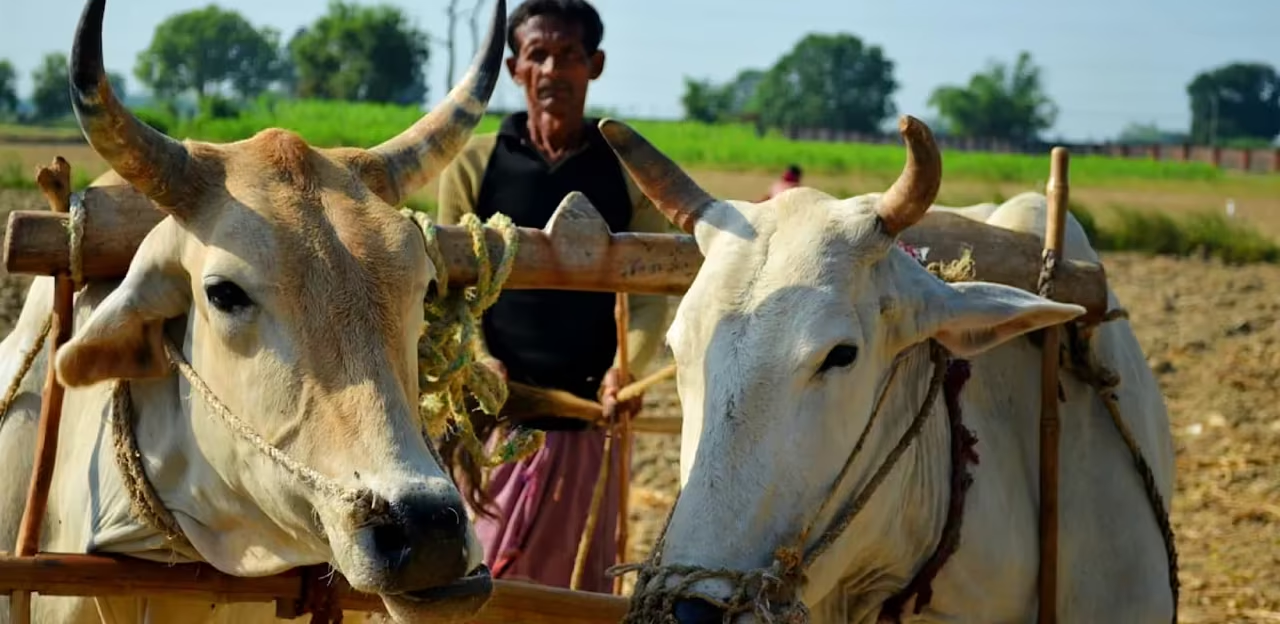
Mattu Pongal: Honoring Our Four-Legged Partners
2 min read
·
1 hour ago
--
Listen
Share
Mattu Pongal, celebrated on the third day of the four-day Pongal festival, embodies a profound cultural truth often forgotten in modern life: our deep interdependence with the natural world. This day dedicated to cattle reveals the Tamil worldview that respects all beings contributing to human prosperity.
At its heart, Mattu Pongal acknowledges that prosperity isn’t solely human achievement. The cattle – bulls, cows, and oxen – are partners in agricultural success. For centuries, these animals plowed fields, transported harvests, and provided sustenance through milk. The festival recognizes this partnership through elaborate rituals: bathing cattle, adorning them with flower garlands, painting their horns with bright colors, and offering them specially prepared sweet pongal.
This gratitude extends beyond mere utility. In Tamil culture, cattle represent wealth, dignity, and divine blessing. By honoring cattle, communities affirm their place within nature’s interconnected web rather than above it.
The festive atmosphere – with traditional Jallikattu events in some regions, cattle races, and community gatherings – also serves social functions. It reinforces community bonds, preserves traditional knowledge about animal husbandry, and passes values to younger generations. Children learn that respect and care for animals isn’t sentimentality but cultural wisdom.
In our mechanized age, Mattu Pongal gains new significance. As tractors replace bulls and industrial farming distances us from food sources, this festival becomes an act of cultural memory. It reminds us that sustainable living requires recognizing our dependence on other species and treating them with dignity.
The festival ultimately teaches humility. It says that human civilization rests on countless contributions from the natural world, and gratitude – not exploitation – should define our relationship with it. This ancient Tamil wisdom offers modern lessons about sustainability, interconnectedness, and the ethics of how we treat those who labor alongside us, whether human or animal.