SAPS Corruption Probe: Mkhwanazi Returns to Parliament with ‘Smoking Gun’ Evidence
iReport South Africa | 16.03.2026 19:04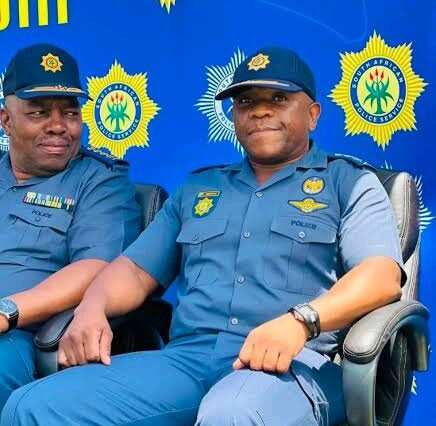
The inquiry into issues within the South African Police Service (SAPS) is entering its final week, with Nhlanhla Mkhwanazi, the Police Commissioner of KwaZulu-Natal, expected to return to Parliament to deliver what could be decisive closing testimony.
The hearings are being led by an ad hoc parliamentary committee examining allegations of corruption, political interference, and criminal infiltration within the police service. The committee is chaired by Soviet Lekganyane, and it is also set to receive further testimony from National Police Commissioner Fannie Masemola.
The investigation was launched about eight months ago following serious claims made by Mkhwanazi regarding alleged irregularities within SAPS. A key part of his allegations involved the reported unlawful dissolution of the Political Killings Task Team on 31 December 2024 by former Police Minister Senzo Mchunu.
In earlier evidence presented to the committee, Mkhwanazi alleged that organised crime groups had infiltrated senior levels of the police service. He claimed these criminal networks may have influenced important operational and investigative decisions, potentially protecting illegal activities and weakening law enforcement efforts across South Africa.
During previous sessions, Mkhwanazi also indicated that he would submit further evidence to challenge what he described as inaccurate or misleading statements made during the inquiry.
Masemola is expected to address accusations of interference and oversight failures that were raised during earlier hearings.
The public hearings, which were extended by the National Assembly of South Africa until 31 March 2026, will mark the end of the oral testimony stage of the investigation. After this phase concludes, the committee will compile its final report for submission to the National Assembly.
The report’s conclusions could have significant implications for the leadership of SAPS and may influence future reforms aimed at improving accountability and rebuilding public confidence in the country’s policing system.
![Toonout Trailer [New Animation Series]](https://cdn.thefuse.co.za/images2/6/7/0/9/4/6709436a-0b2e-3837-badf-e560a92e7696-480x270.jpg)