Thai-Inspired Coconut Shrimp Curry Packed with Bold Flavor
Foodie | 17.07.2026 14:55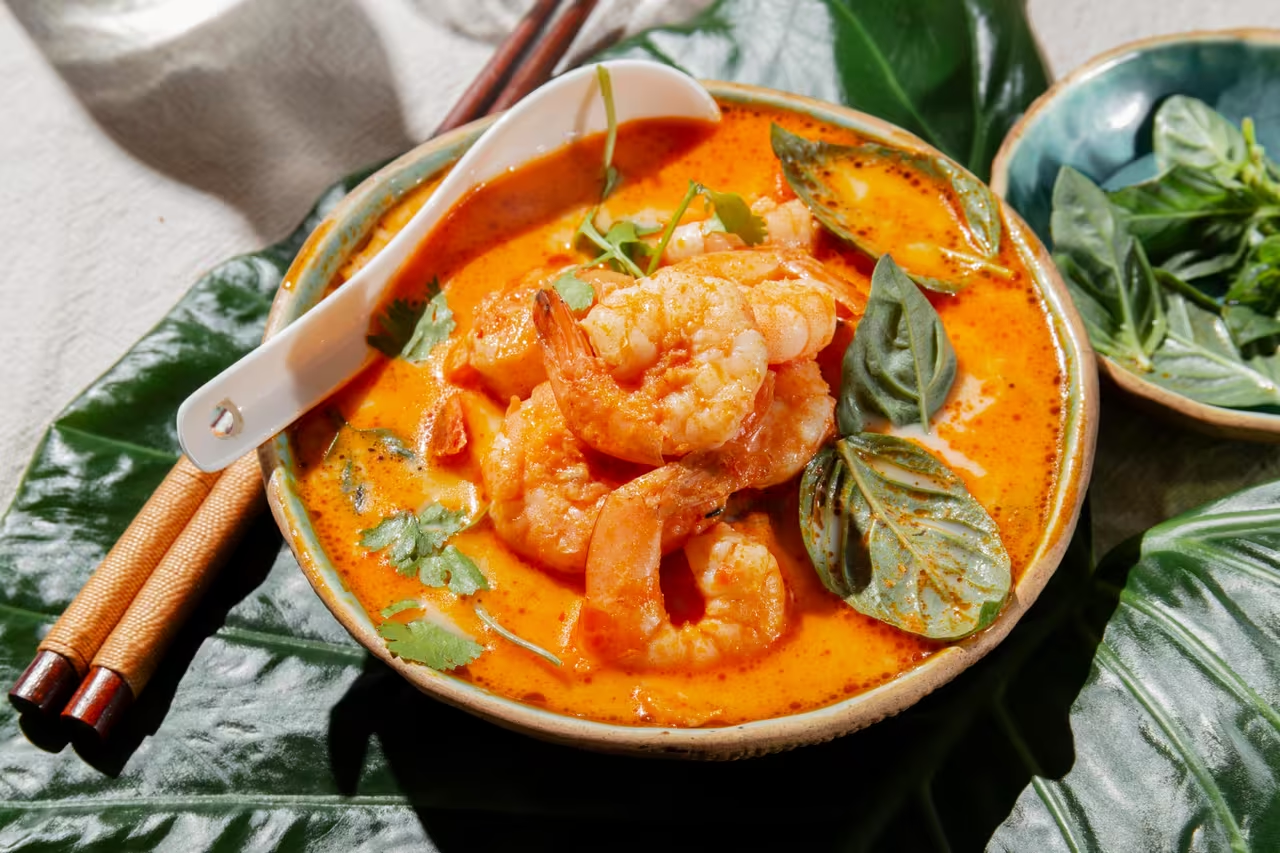
Thai-inspired coconut shrimp curry is a vibrant dish that brings together tender shrimp, creamy coconut milk and fragrant spices in a rich, comforting sauce. Every spoonful delivers a balance of savory, mildly sweet, spicy and tangy flavors that have made Thai-inspired curries popular around the world. Despite its restaurant-quality taste, this curry is surprisingly easy to prepare at home using fresh ingredients and a handful of pantry staples. The combination of aromatic garlic, ginger, curry paste and coconut milk creates a silky sauce that perfectly coats the shrimp and vegetables. Because shrimp cooks quickly, this recipe is ideal for busy weeknights when you want a flavorful meal without spending hours in the kitchen. Served with steamed jasmine rice or noodles, it becomes a complete and satisfying dinner suitable for both family meals and special occasions. This Thai-inspired coconut shrimp curry recipe is packed with bold flavor while remaining simple enough for home cooks of every skill level.
One of the reasons this dish is so widely loved is its incredible balance of flavors. Coconut milk provides a rich and creamy base that softens the heat of the curry paste while adding subtle sweetness. Shrimp absorbs the aromatic sauce quickly, making every bite flavorful without requiring long cooking times.
Fresh herbs, citrus and vegetables contribute brightness that balances the richness of the coconut milk. The result is a comforting meal that feels both hearty and refreshing at the same time. Its versatility also makes it easy to adjust the spice level according to personal preference.
Thai-Inspired Coconut Shrimp Curry Recipe
- 500 g raw shrimp, peeled and deveined
- 2 tablespoons vegetable oil
- 1 medium onion, finely sliced
- 3 cloves garlic, minced
- 1 tablespoon fresh ginger, grated
- 2 tablespoons red Thai curry paste
- 1 teaspoon ground turmeric
- 1 teaspoon ground coriander
- 400 ml coconut milk
- 1 cup seafood or vegetable stock
- 1 red bell pepper, sliced
- 1 yellow bell pepper, sliced
- 1 cup sugar snap peas
- 1 tablespoon fish sauce
- 1 tablespoon brown sugar
- Juice of 1 lime
- Salt and black pepper to taste
- Fresh coriander leaves
- Fresh basil leaves, optional
For serving:
Heat the vegetable oil in a large skillet or saucepan over medium heat.
Add the onion and cook for about four minutes until softened.
Stir in the garlic and ginger, cooking for one minute until fragrant.
Add the red Thai curry paste, turmeric and coriander, stirring continuously for another minute to release their aromas.
Pour in the coconut milk and seafood stock, whisking until the curry paste is fully incorporated into the sauce.
Add the bell peppers and simmer for eight to ten minutes until they begin to soften.
Stir in the sugar snap peas, fish sauce and brown sugar.
Add the shrimp and cook for three to five minutes until they turn pink and are fully cooked.
Remove the pan from the heat and stir in the fresh lime juice.
Taste and adjust the seasoning with salt and black pepper if needed.
Garnish with fresh coriander and basil before serving over steamed jasmine rice with extra lime wedges.
Fresh shrimp provides the best texture and flavor, although good-quality frozen shrimp can also be used after proper thawing. Full-fat coconut milk creates the richest and creamiest sauce, while light coconut milk offers a lower-fat alternative with a slightly thinner consistency. Authentic Thai curry paste contributes the signature depth of flavor that defines this dish, so choosing a quality brand makes a noticeable difference.
Fresh ginger and garlic provide aromatic warmth that powdered versions cannot fully replicate. Crisp vegetables such as bell peppers and sugar snap peas add both texture and vibrant color. Fresh lime juice should always be added at the end of cooking to preserve its bright, refreshing flavor.
Avoid overcooking the shrimp because they become firm and rubbery if left in the sauce for too long. Simmer the vegetables until just tender so they retain a slight crunch and vibrant color. Stir the curry paste into the oil before adding the coconut milk to release its full aroma and flavor. Taste the sauce before serving and adjust the balance of sweetness, saltiness and acidity as needed. If you prefer a thinner curry, add a little more stock, while simmering the sauce longer creates a thicker consistency. Fresh herbs should be added just before serving to preserve their fragrance. A final squeeze of lime brightens the entire dish and enhances every flavor.
This curry can easily be adapted using different proteins and vegetables. Replace the shrimp with chicken, firm tofu or salmon to create equally satisfying meals. Add mushrooms, baby corn, broccoli or zucchini for additional vegetables and texture. Green curry paste produces a fresher, herbaceous flavor, while yellow curry paste creates a milder and slightly sweeter dish. Pineapple chunks add a tropical sweetness that pairs beautifully with coconut milk and shrimp. A handful of spinach stirred in at the end adds color and extra nutrition. Crushed roasted peanuts sprinkled over the finished curry provide a pleasant crunch and authentic-inspired finishing touch.
Steamed jasmine rice is the traditional accompaniment because it absorbs the flavorful sauce beautifully. Brown rice provides a nuttier flavor and additional fiber for a more wholesome meal. Rice noodles also pair wonderfully with the creamy curry for a lighter alternative. Warm naan or flatbread can be served alongside the curry for dipping into the rich sauce. A crisp cucumber salad with lime dressing offers a refreshing contrast to the warm spices. Fresh mango slices or a tropical fruit salad make excellent desserts after the meal. These simple accompaniments complete the dining experience without overpowering the bold curry flavors.
Allow the curry to cool completely before transferring it to an airtight container. Refrigerate leftovers for up to three days. Reheat gently over medium-low heat, stirring occasionally until warmed through. Avoid boiling the curry during reheating because shrimp can become overcooked and lose their tender texture. If the sauce thickens in the refrigerator, stir in a small splash of coconut milk or stock while reheating. Although the curry can be frozen, the texture of the shrimp is best when enjoyed fresh. Proper storage ensures the flavors remain rich and enjoyable for later meals.
Thai-inspired coconut shrimp curry is a flavorful and comforting meal that combines creamy coconut milk, aromatic spices and tender shrimp into one satisfying dish. Its rich sauce, colorful vegetables and balanced seasoning create a restaurant-quality meal that is surprisingly easy to prepare at home. This recipe is ideal for busy weeknights because it comes together quickly without sacrificing depth of flavor. The combination of fresh herbs, lime juice and quality curry paste gives every bite a vibrant and authentic-inspired character. With plenty of opportunities to customize the vegetables, protein and spice level, this curry can easily become a regular part of your meal rotation. Whether served with fragrant jasmine rice or soft noodles, it delivers warmth, comfort and bold flavor in every serving. Keep this Thai-inspired coconut shrimp curry recipe in your collection for an easy homemade dinner that is guaranteed to impress family and guests alike.