10 Foods You Didn’t Know You Could Freeze
Foodie | 17.02.2026 12:30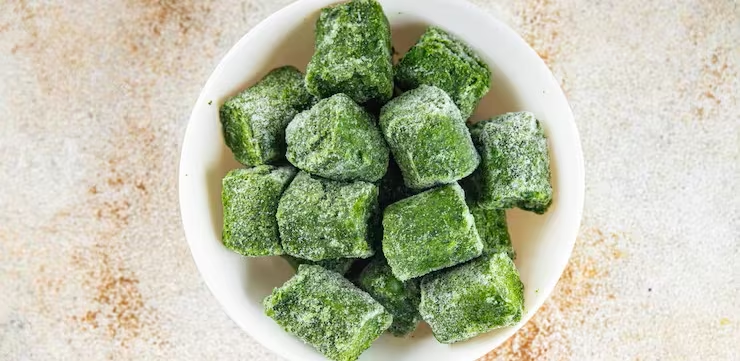
Freezing food is one of the easiest ways to reduce waste, save money, and keep ingredients fresh for longer. Many people assume only certain items, like meat or vegetables, are suitable for freezing. In reality, a wide range of foods can be frozen without losing taste or texture. By understanding which foods freeze well and how to store them properly, you can make your kitchen more efficient and your meals more convenient. Here are 10 surprising foods you didn’t know you could freeze.
1. Fresh Herbs
Fresh herbs like parsley, cilantro, and basil can be frozen to preserve flavor. Chop the herbs and place them in an ice cube tray, then cover with olive oil or water and freeze. Pop a cube directly into soups, sauces, or sautés for fresh taste year-round. This method reduces waste when you have leftover herbs after cooking.
2. Avocados
Avocados can be frozen either as slices or mashed. Mash with a little lemon or lime juice to prevent browning, then store in an airtight container. Frozen avocado works perfectly for guacamole, smoothies, or spreads, saving you from buying them frequently.
3. Cheese
Hard cheeses like cheddar, gouda, and parmesan freeze well. Cut into blocks or grate before freezing. While frozen cheese may become crumbly, it is ideal for cooking, melting into sauces, or sprinkling over pasta and salads.
4. Bread and Baked Goods
Bread, rolls, and even muffins can be frozen for months. Slice bread before freezing for easy use, and wrap baked goods tightly in plastic wrap and foil. Thaw at room temperature or warm in the oven for fresh taste. This is perfect for reducing trips to the store.
5. Eggs (without shells)
Eggs can be frozen if cracked and beaten. Store in ice cube trays or freezer-safe containers. Use frozen eggs for omelets, quiches, or baking. Avoid freezing eggs in shells, as they can crack and create a mess.
6. Cooked Rice and Pasta
Leftover rice and pasta freeze well and reheat easily. Portion into freezer bags, remove excess air, and store flat for space-saving. Reheat by microwaving with a splash of water or steaming, making quick weeknight meals stress-free.
7. Tomatoes
Tomatoes can be frozen whole, chopped, or puréed. Freezing changes the texture slightly, so use them in sauces, soups, or stews. This allows you to store seasonal tomatoes and enjoy them year-round.
8. Nut Butters
Peanut, almond, or cashew butter can be frozen for longer shelf life. Store in airtight containers and thaw in the fridge when needed. Frozen nut butters maintain their flavor and can be used for baking or spreading.
9. Yogurt
Yogurt freezes well and is great for smoothies, popsicles, or baking. Freeze in individual portions or ice cube trays. While texture may change slightly, the flavor remains intact, making it a convenient ingredient for quick meals.
10. Citrus Zest and Juice
Lemon, lime, and orange zest can be frozen in small portions. Squeeze citrus juice and freeze in ice cube trays for later use in cooking or drinks. This is a great way to preserve seasonal citrus and reduce waste.
Tips for Freezing Foods Successfully
- Use airtight containers or freezer bags to prevent freezer burn.
- Label all items with the date frozen for easy rotation.
- Portion foods before freezing to make thawing quicker and easier.
- Avoid freezing foods that contain high water content without proper preparation, as texture may change.
- Use frozen ingredients within 3–6 months for the best flavor and quality.
Freezing food expands your cooking options and reduces unnecessary trips to the store. By freezing items like herbs, avocados, eggs, and bread, you can save time, money, and ingredients. These 10 foods prove that with a little planning, almost any ingredient can be kept fresh and convenient for future meals.