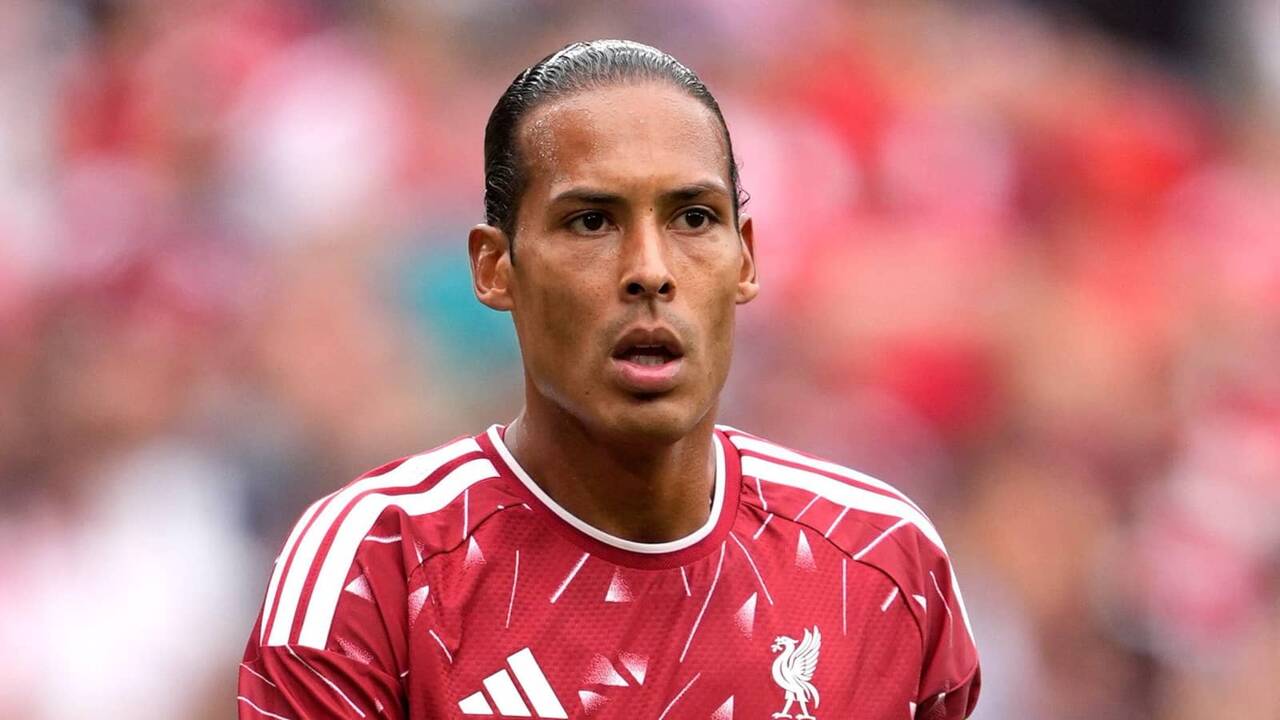
Former Orlando Pirates stars Patrick Maswanganyi and Zakhele Lepasa's insights into footballers' lives are a warning for fans
Goal | 11.11.2026 07:00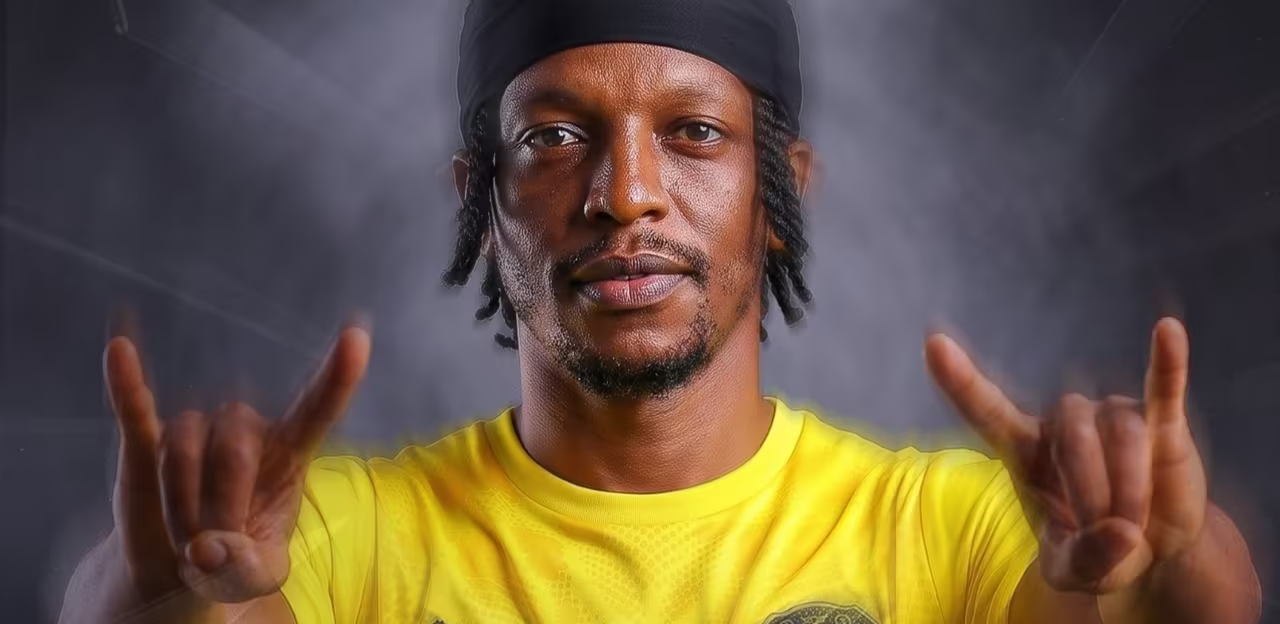
Fans need to know where to draw the line: accountability and abuse are two completely different things argues columnist Lerato Mkhondo.
Football is an emotional game. Supporters invest their time, money and passion into their clubs, and naturally, they want to see their teams succeed. When players underperform, miss important chances or make costly mistakes, criticism is inevitable. But there is a difference between holding a player accountable and making their life miserable.
Unfortunately, that line is increasingly being crossed in South African football.
The experiences of a few local footballers should make us reflect on how we treat players, particularly when things are not going their way.
Former Orlando Pirates midfielder Patrick 'Tito' Maswanganyi recently opened up about the impact of media and social media criticism during his time at the club. He revealed that the comments directed at him affected his family so deeply that some of his loved ones wanted him to quit football. His decision to seek a new opportunity abroad was partly influenced by his desire to find peace and protect his family's well-being.
Think about that for a moment. A player who has dedicated his life to football finds himself in a position where his family would rather see him walk away from the game than continue enduring the negativity surrounding him.
Then there is Zakhele Lepasa, who has shared a deeply personal account of his battle with injuries and the psychological impact of being away from football for an extended period. In his piece, The Cruelty of Tomorrow, he describes how injuries affected his sense of identity, routine and purpose. It is a reminder that players already carry battles that supporters might never see.
We have also heard Mduduzi Shabalala speak about the emotional toll of criticism in SuperSport's GIANTS series. The Kaizer Chiefs midfielder revealed that he would return home and cry after games, struggling with the weight of what people were saying about his performances. His family's comments in the series further highlighted how criticism directed at one player can affect an entire household.
And who can forget former Orlando Pirates striker Terrence Dzvukamanja? He revealed that he received death threats from people demanding that he leave the club. Some even threatened him in person, telling him they would make him leave by force. He admitted that the experience affected him mentally and that there were times when his mind was not even at training.
These are not isolated reminders that footballers are human beings. They have families, emotions, insecurities and personal struggles just like everyone else.
What makes it even more concerning is that some supporters feel entitled to cross every boundary simply because they buy tickets, support a club or follow a player on social media.
Yes, players are professionals. They are paid to perform, and criticism comes with the territory. But being a professional footballer does not mean surrendering your right to dignity, privacy and basic respect.
There is absolutely nothing wrong with questioning a player's performance. Debate their selection, analyse their mistakes and demand better results. But threatening their lives, targeting their families and subjecting them to personal abuse is never acceptable.
We also need to be mindful of the role played by sections of the media. Constructive criticism and honest analysis are part of sports journalism, but there should be a clear distinction between holding players accountable and creating narratives that encourage personal attacks.
At the end of the day, these players are people before they are footballers. We celebrate them when they score winners, lift trophies and make us proud. We should also remember their humanity when things go wrong.
Support your team, demand better performances and hold players accountable. But please, let's not forget that there is a human being behind every football shirt. Football is a game. No result is worth someone's mental health, safety or peace of mind.