Real Politics: Motsepe must drop tainted allies if he wants to lead South Africa
Scrolla | 06.02.2026 21:16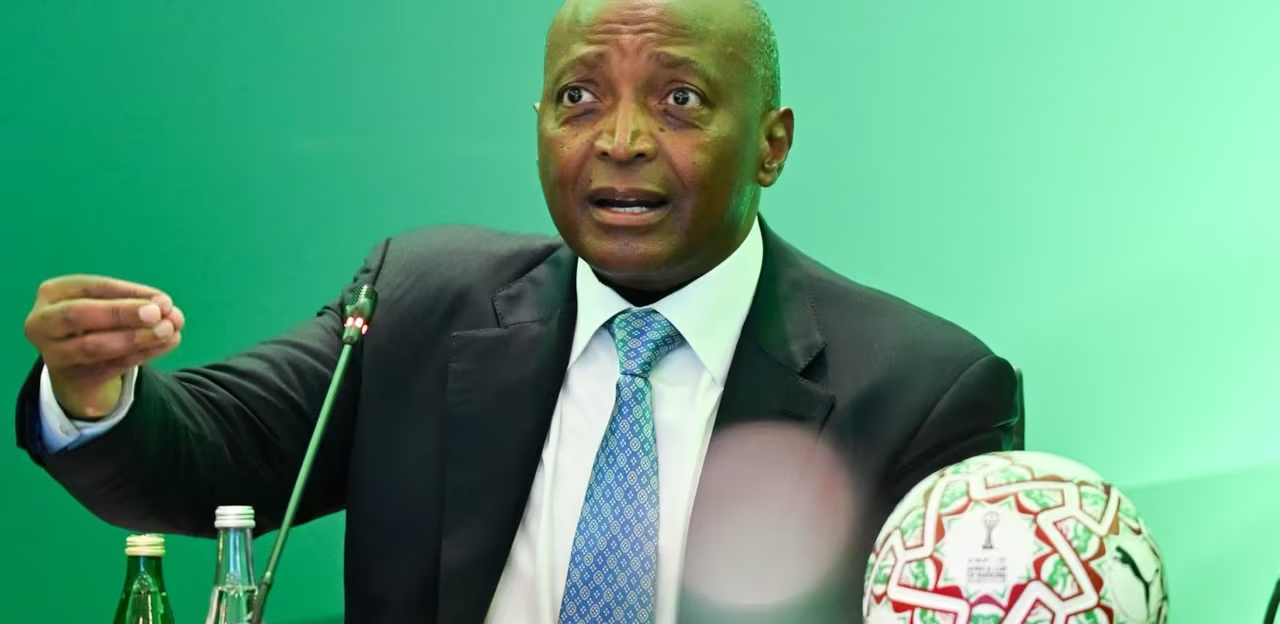
If Patrice Motsepe is serious about becoming a good president for South Africa, his first and most urgent task is simple; he must cut loose from the political baggage tied to his current slate of running mates, writes Zukile Majova in Real Politics.
Motsepe’s rise within the ANC is built almost entirely on support from the Cyril Ramaphosa faction. That backing has made him the frontrunner. But it also comes with an expectation that he will protect and promote figures whose political careers are weighed down by scandal, controversy and poor judgement.
That expectation threatens to undermine the very strengths that make Motsepe attractive to voters, investors and coalition partners.
Take the widely floated idea of Senzo Mchunu as deputy president. How does Motsepe sit across the table from foreign investors and global partners and explain that choice with a straight face?
Mchunu, the former police minister, is deeply entangled in investigations linked to state capture era sabotage of law enforcement. His name has surfaced repeatedly in allegations involving interference in policing and political protection networks.
Even more damaging are reports linking him to alleged underworld boss Vusumuzi “Cat” Matlala, who is said to have bankrolled Mchunu’s political ambitions. Whether these claims result in criminal charges or not, the reputational damage is already done. In modern politics, perception matters almost as much as proof.
This points to the central weakness of the PM27 campaign. Motsepe is not yet presenting himself as his own political force. Instead, he appears boxed in as the chosen candidate of a faction that has run out of credible leaders.
Within that group, Mchunu was, until recently, considered the best available option. He was pushed forward partly to calm anger in KwaZulu-Natal after Jacob Zuma’s exit from the ANC. But Mchunu has never commanded Zuma’s influence or mass appeal in the province. He is simply the most senior KwaZulu-Natal figure aligned to Ramaphosa.
The rest of the slate does little to inspire confidence.
Fikile Mbalula, the ANC secretary general, is often mentioned as a future deputy president or chairperson. His political survival skills are undeniable. His baggage is equally heavy.
The most well known scandal relates to a 2016 family holiday to Dubai that cost close to R700,000. The trip was allegedly funded, at least in part, by a businessman linked to a company supplying the South African Sports Confederation and Olympic Committee while Mbalula was sports minister. He has also struggled to explain a reported R3-million “loan” from the wife of a former National Lotteries Commission executive.
For the position of secretary general, the campaign has leaned towards Eastern Cape premier Oscar Mabuyane. His name is tied to the long running Fort Hare University scandal, where allegations of degrees being sold for cash shook public trust in the institution.
Mabuyane was also implicated in the misuse of public funds linked to Winnie Madikizela-Mandela’s 2018 state funeral. A Public Protector report found evidence of maladministration and improper benefit, including money allegedly used for renovations at his home.
Another name on the list is Khumbudzo Ntshavheni, nominated as second deputy secretary general. Her record includes allegations dating back to her time as a municipal manager, when a R2.5-million tender was irregularly awarded for accounting services.
Other figures linked to the slate include International Relations minister Ronald Lamola and Limpopo premier Phophi Ramathuba, both of whom carry far less political damage but are unlikely to shift the overall perception of a compromised team.
The slate is still in flux and may change right up to the ANC elective conference. What is unlikely to change is the effort to balance provincial representation across KwaZulu-Natal, the Eastern Cape, Limpopo, Mpumalanga, the Free State and North West. That arithmetic may make sense internally. It does little to excite a public desperate for clean governance.
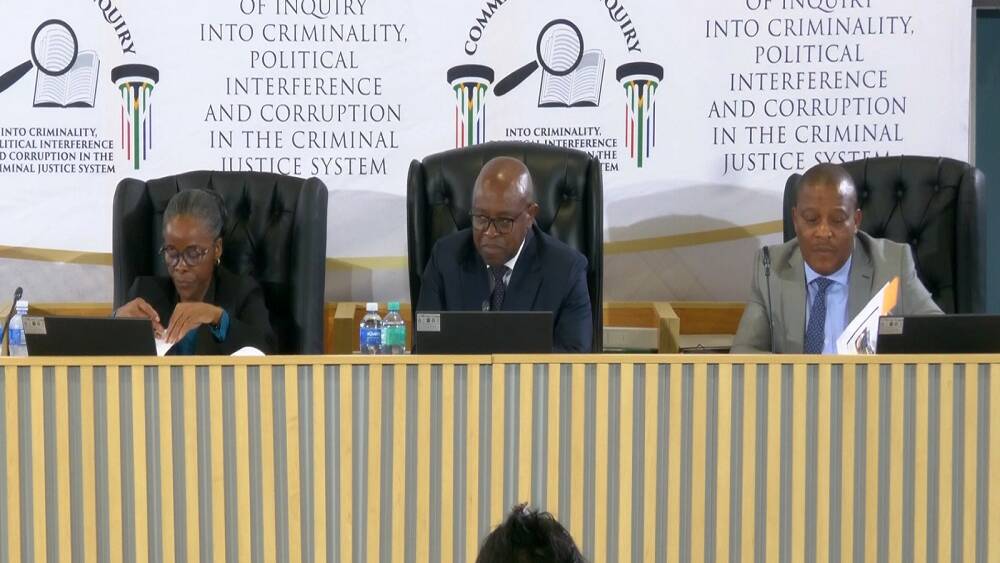
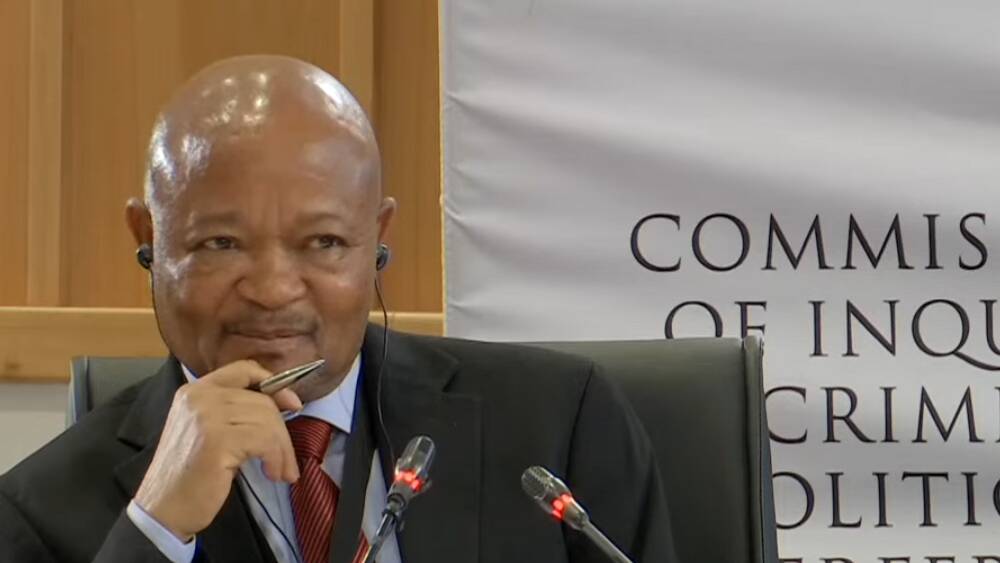
If the Madlanga Commission makes adverse findings against Mchunu, figures like Mbalula or Lamola could be repositioned. None of that solves the deeper problem.
Motsepe, by contrast, remains the strongest potential candidate for ANC president and, ultimately, for the Union Buildings.
His presidency could lock in another decade of Government of National Unity stability, economic recovery and steady job creation. More importantly, it could extend efforts to reverse state capture, rebuild state owned companies and restore the capacity of the state to fight crime and corruption.
Stability is Motsepe’s greatest selling point. His victory would likely keep the current coalition intact. A win for Deputy President Paul Mashatile in 2027, by contrast, could trigger a rapid reconfiguration of the GNU and even the early recall of President Ramaphosa.
Motsepe’s allies argue that he would prioritise coalition harmony and predictable governance. His business record, from African Rainbow Minerals to the Confederation of African Football and Mamelodi Sundowns, shows an ability to stabilise struggling institutions and impose discipline.
As Ramaphosa’s relative and someone not forged in factional trench warfare, Motsepe represents continuity without chaos. His pragmatic, pro growth instincts align well with the Democratic Alliance’s economic outlook, offering space for consensus on infrastructure, energy and investment.
But unity will not come automatically. Motsepe will still have to win back Cosatu and the South African Communist Party, both of which are increasingly hostile to the GNU. The SACP has already decided to contest the 2026 local government elections independently.
Anyone waiting for Motsepe to openly declare his candidacy may be waiting a long time. ANC culture discourages early announcements. Yet with thousands of PM27 T-shirts already printed and lobbyists active across regions, the campaign is no longer theoretical.
Motsepe may be the right man for the moment. But unless he breaks decisively from compromised allies, his greatest strength could quickly become his greatest liability.
Image source: @CAF_Media