Real Politics: ANC rebels push to reshape coalitions and weaken unity government
Scrolla | 06.04.2026 14:44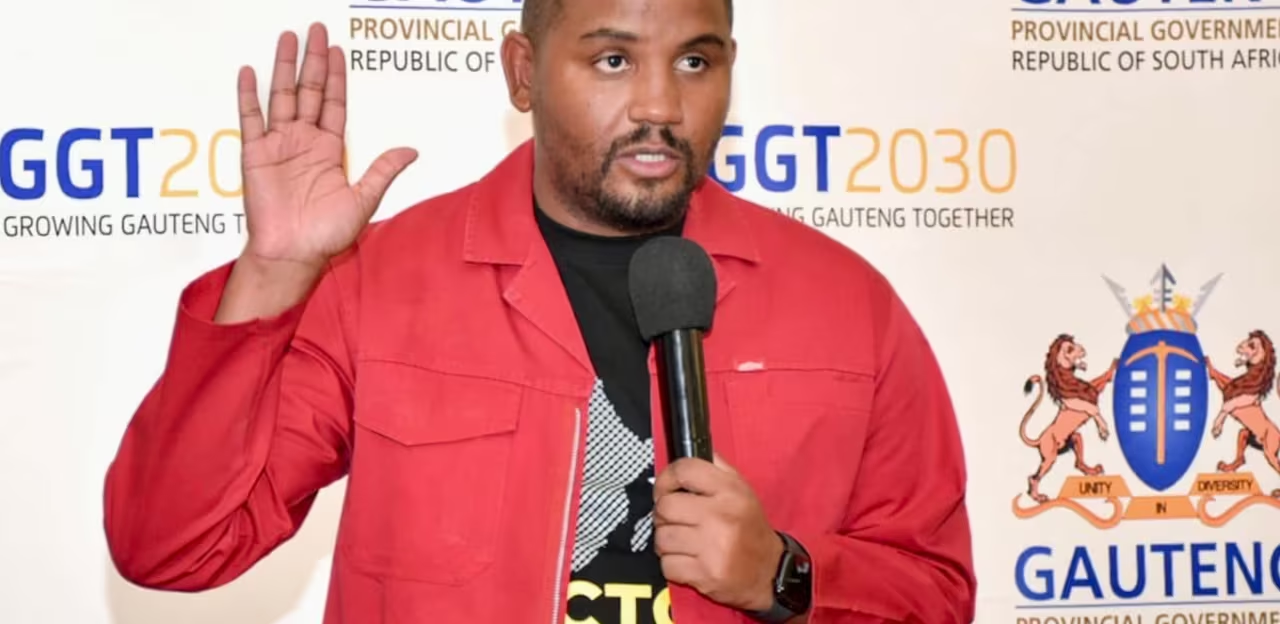
A growing anti-unity government faction inside the African National Congress is gaining ground and could destabilise national politics before the 2027 conference, writes Zukile Majova in Real Politics.
The ANC in Gauteng has brought the Economic Freedom Fighters into government and is in talks with the uMkhonto Wesizwe (MK) Party to strengthen its control.
Deputy President Paul Mashatile has signalled support for broader coalitions with the EFF and the MK Party, raising fears of a national shift away from the Democratic Alliance.
A powerful faction inside the ANC is gaining confidence and pushing hard against President Cyril Ramaphosa’s unity government.
This group wants to move the party away from its partnership with the DA and towards a new alliance with the EFF and the MK Party.
Recent developments in Gauteng show this shift is no longer just talk.
Premier Panyaza Lesufi has brought the EFF into the provincial government. He appointed the party’s Gauteng chairperson Nkululeko Dunga as finance MEC. This move replaced ANC leader Lebogang Maile, who was moved to education.
The new coalition in Gauteng now includes the ANC, EFF, Inkatha Freedom Party (IFP), Patriotic Alliance and Rise Mzansi. Together they hold a slim majority in the provincial legislature.
Talks are also under way to bring in the MK Party, which would further strengthen this bloc. This shows a clear shift towards a left-leaning coalition that excludes the DA.
This did not happen by chance. After the 2024 general elections, the ANC lost its majority and dropped to about 40%. Ramaphosa responded by forming a government of national unity with the DA and other parties to stabilise the country.
The aim was to restore investor confidence, rebuild state institutions and grow the economy after years of state capture.
But not everyone in the party agreed with that decision.
Lesufi rejected working with the DA in Gauteng from the start. Instead, he chose smaller parties and later opened the door to the EFF.
At the same time, political dynamics in KwaZulu-Natal are also shifting.
The MK Party won strong support in that province and believes it should be in government. It wants to govern with the ANC and the EFF.
For the ANC, working with the MK Party in KwaZulu-Natal could help it regain influence. For the MK Party, the partnership could give it power.
This creates a situation where both parties have reasons to work together.
Deputy President Paul Mashatile has added weight to this shift. He has openly said the party is willing to work with any group that wants to “save South Africa”. He has also supported cooperation with the EFF in Gauteng.
His comments suggest that if he becomes party leader in 2027, he could push for a major political realignment.
Such a move would have serious consequences.
The DA has made it clear it will not stay in any government that includes the EFF or the MK Party. Their policies are too far apart.
If the DA left, the current unity government would lose its majority in Parliament.
That would create uncertainty at a time when the country is trying to rebuild its economy.
Since 2024, the unity government has helped stabilise markets and improve confidence. Investors have responded positively to signs of cooperation and policy consistency.
A shift towards a coalition with the EFF and the MK Party could reverse these gains.
Both parties support policies like nationalisation and aggressive land reform, which many investors see as risky.
This could weaken the rand, increase borrowing costs and slow down economic recovery.
The risk is not just economic. It is also political.
If the ANC becomes divided between those who support the unity government and those who oppose it, the party could struggle to provide clear leadership.
That uncertainty could spread across the government and affect decision-making.
Labour allies are also playing a role in this debate.
The Congress of South African Trade Unions (Cosatu) and the SA Communist Party (SACP) have both criticised the partnership with the DA. They want the ANC to move back towards a more left-leaning alliance.
Both groups have indicated they would prefer cooperation with the EFF and the MK Party instead of the DA.
This adds pressure on the party leadership and strengthens the hand of those who oppose the unity government.
All these signs point to a growing power struggle inside the ANC.
The anti-unity government faction is no longer on the sidelines. It is shaping decisions in key provinces and building alliances that could change national politics.
The real test will come at the party’s 2027 conference.
If this faction takes control, South Africa could see the end of the current unity government and the start of a very different political era.
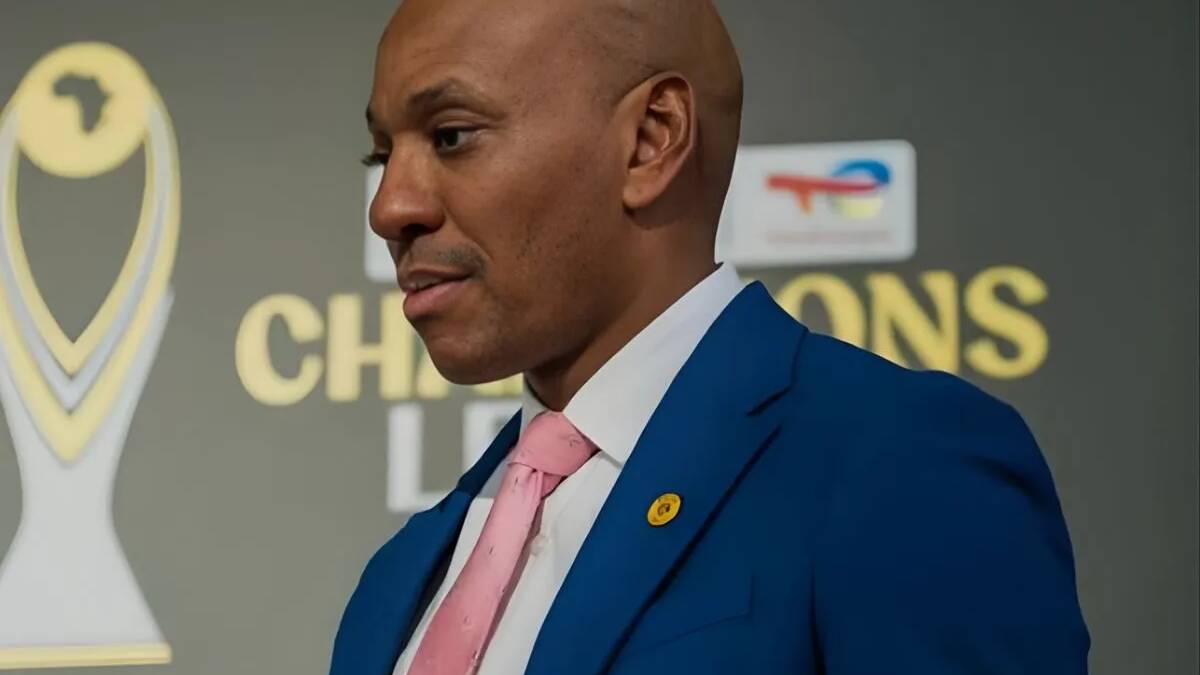
Pictured above: Nkululeko Dunga.
Image source: File