After 15 Years on Dialysis, Stella Is Asking for a Second Chance at Life
Good Things Guy | 20.02.2026 15:30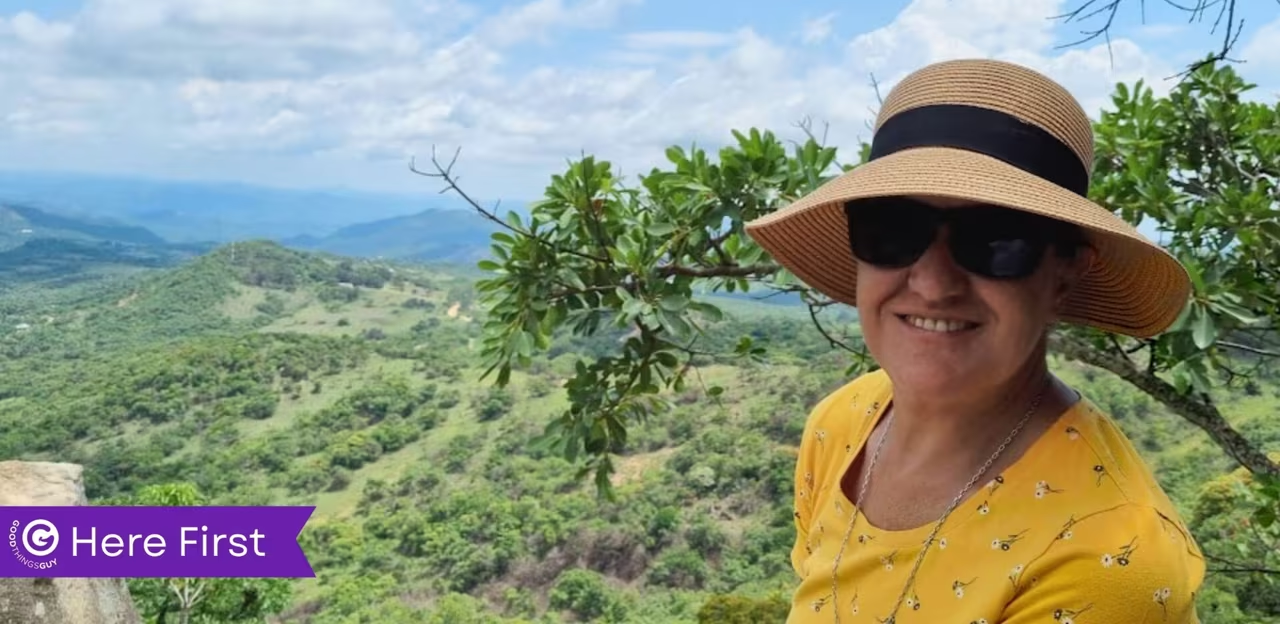
After nearly 15 years on dialysis, Johannesburg’s Stella de Kock is searching for a living kidney donor to help her finally live freely again.
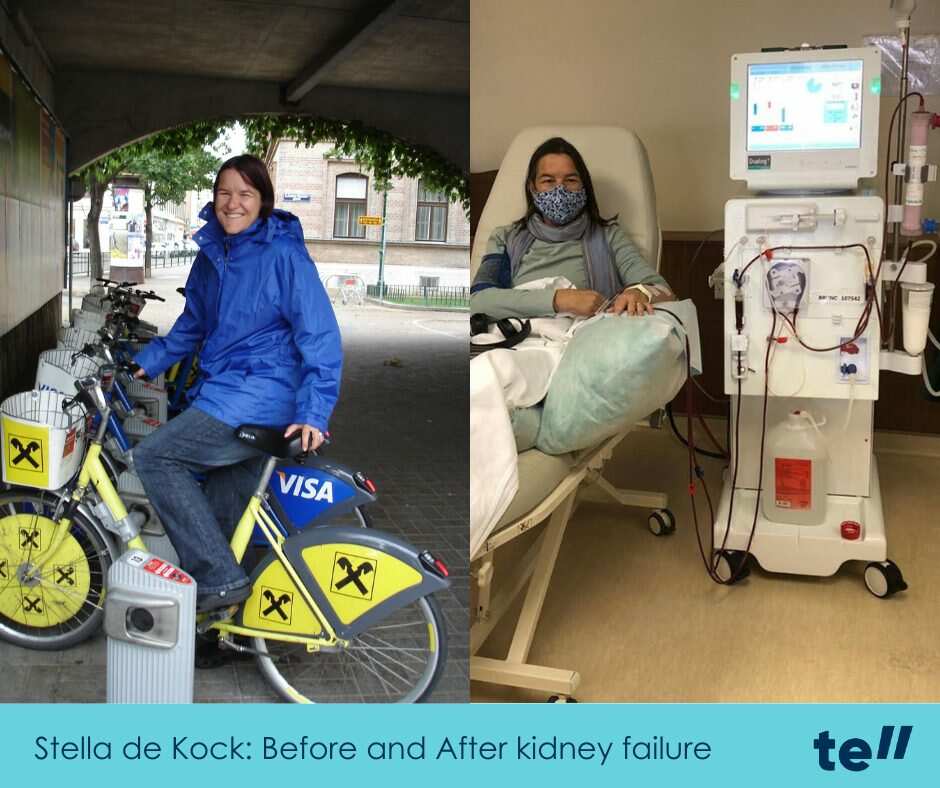
Johannesburg, South Africa (20 February 2026) – In Johannesburg, Stella de Kock no longer measures her life in birthdays or calendar years. Instead, she measures it in dialysis sessions. Since 16 April 2011, when she was diagnosed with kidney failure, her weeks have been structured around a machine that keeps her alive. Three times a week, for four hours at a time, she sits connected to dialysis. Over nearly 15 years, that has amounted to approximately 9,360 hours spent not living freely, but enduring.
“I am alive because of dialysis,” Stella says. “But I am not really living.”
Dialysis performs the essential work her kidneys can no longer manage, filtering waste and excess fluid from her blood. It has sustained her life, but it has also extracted an immense physical and emotional toll. Long-term dialysis patients face significantly increased risks of heart disease and high blood pressure, both of which can lead to heart failure. Bone density weakens over time, often resulting in chronic pain and fractures. Conditions such as dialysis-related amyloidosis can cause joint stiffness, nerve compression and carpal tunnel syndrome. Persistent anaemia brings profound fatigue that does not lift with rest, while the access points required for dialysis carry an ongoing risk of infection. Neurological symptoms, including muscle cramps and nerve pain, are common, and the psychological strain of such a regimented existence can be equally heavy.
For Stella, these are not distant possibilities listed in a medical textbook. They are part of her daily reality.
“I miss something most people never think about: being able to pee. I haven’t passed urine in 13 years because of kidney failure. Now every sip is measured. I can’t drink freely when I’m thirsty, and I can’t eat foods high in potassium or phosphates, even mangoes or avocados, without risk. A renal diet is a constant calculation.”
Despite these constraints, Stella continues to dedicate her energy to others. She serves as the Managing Director of Transplant Education for Living Legacies, known as TELL, an organisation committed to educating South Africans about organ donation and supporting patients and families navigating the transplant process. Her lived experience has given her a rare empathy and authority in this space. While dialysis has limited her quality of life, it has also given her time to advocate, to educate and to support countless families facing similar uncertainty.
“Dialysis has taken so much from me,” she says. “But it has kept me well enough to continue the work I love. Now I need a kidney so I can do even more.”
There is urgency behind that statement. Stella has O blood group, which significantly lengthens the wait for a deceased donor kidney in South Africa. Current estimates suggest she could wait another 12 to 15 years. In a country without a national living donor registry, patients must rely on individuals choosing to come forward voluntarily. For someone who has already spent 15 years on dialysis, time is not an abstract concept; it is a pressing reality.
“On hard days, it’s often the small things that carry me: a message from someone who understands, a good day after a bad one, and a reminder of how much this body has already endured. And when hope feels distant, I lean on resilience. I show up because I have to, and because every day I do is proof that I’m still here, still choosing life.”
Living kidney donors are ordinary, healthy adults over the age of 18 who choose to undertake an extraordinary act of generosity. Prospective donors undergo a comprehensive and fully funded medical evaluation to ensure the donation is safe and appropriate. Most go on to live full, healthy lives with one kidney, while offering someone else the chance to live without the constraints of dialysis.
“One person could change everything,” Stella says.
After nearly 15 years of surviving, Stella is ready to live. The question is whether someone, somewhere, will choose to be the reason she can. If you would like to connect with Stella, pop her an email here.