LuvvvStacy Opens Up About Vulnerability and Emotional Honesty in New Single Problems
OkMzansi | 19.03.2026 21:01
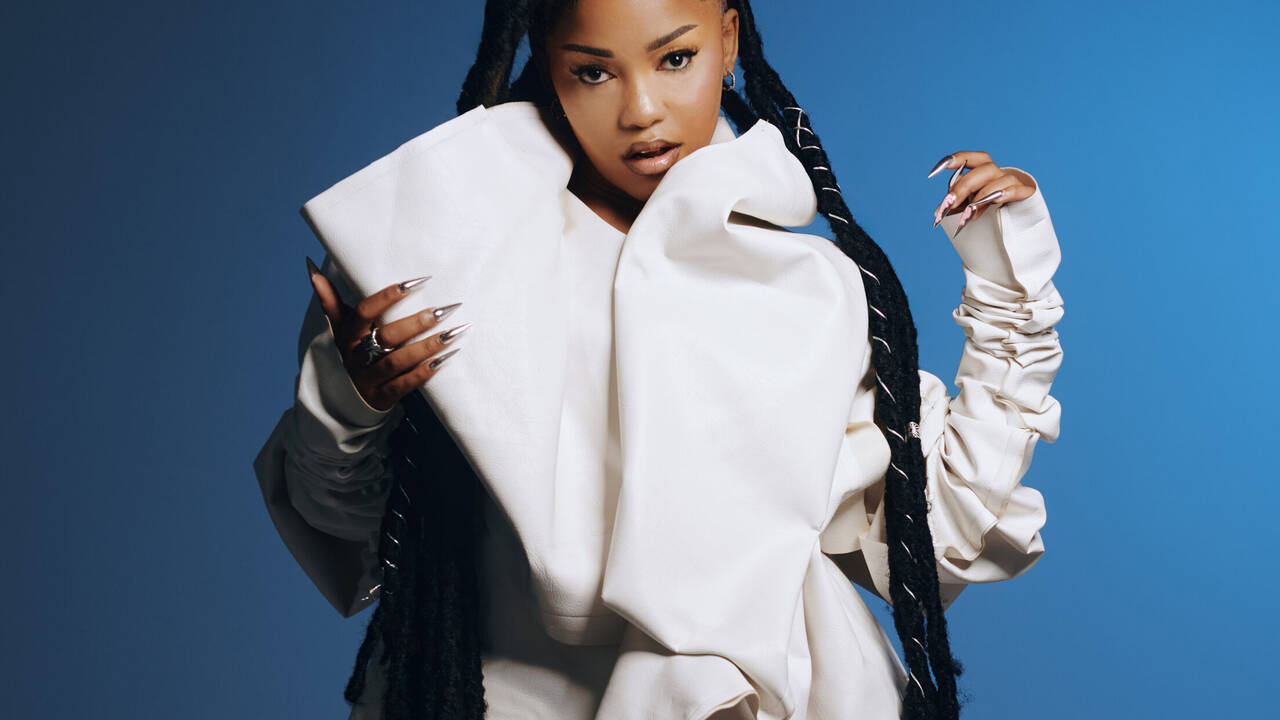
South African singer, songwriter, producer, and multi-instrumentalist LuvvvStacy is back with his latest single, Problems, released via Exodus Entertainment. Known for blending alternative R&B, afro-fusion, and subtle rock textures with emotionally driven storytelling, LuvvvStacy continues to expand the world he introduced with December’s Casamigos.
With Problems, LuvvvStacy leans into uncomfortable honesty, exploring the tension of recognizing personal flaws in love and choosing not to disguise them. The track is the next chapter in The King of Hearts, his forthcoming EP inspired by the mythology of the playing card often referred to as the “Suicide King.”
Ok Mzansi Magazine interviewed LuvvvStacy about his new single Problems.
I was confronting the toxicity within both parties, not just mine but also the person that did me wrong. Also, I know that she’s the victim in her story and I’m the victim in my story, for example. That’s the victim mentality I was confronting, which obviously comes with those emotions like ego, pride, you know, and seeking validation and seeking empathy from people that you tell the story.
2. The hook feels like a direct confession — self-aware and unresolved. Why was it important for the song not to offer easy closure?
Somehow, I also had to hold onto that little bit of pride that I have. The ego that makes me who I am in a relationship, as toxic as it is, somehow when the relationship ends you can’t leave there without anything, and sometimes you have to leave with something. It’s either someone else’s broken heart, like the pieces of their heart, or you leave there with another collection.
3. Sonically, the track leans into minimal and atmospheric production. How intentional was that restraint in amplifying the emotional weight?
I think the less I used, the more impact it had. It opened up space for that little bit of confession that I had, that little bit of pride that I had to give to people within the song. All the little pieces that I had to offer, and the minimal production use was like give me that platform to just be more emotional and carry more of the emotional weight than just the song alone.
I’ve been through a whole lot of nonsense, you know, relationship-wise. I was once in a relationship with a narcissist, and it’s so crazy how the best way to defeat a narcissist is empathy—being empathetic to them. The way you look at the storyline of King of Hearts, you realize this is an empathetic guy, and he feels he has a lot of love for people and himself. It’s just like this big bundle of vulnerability. That’s how I am. That’s how I was raised up. I found myself in relationships where, as much as they were messed up, I kind of felt for them that they were messed up, and I didn’t even blame them, only to realize that sometimes you just have to blame them.
5. The misinterpretation of the King of Hearts — from warrior to self-destructive figure — serves as a metaphor. How does that reflect modern masculinity and perception?
I think a lot of people just commit emotional suicide because of a heartbreak that they go through. The project, King of Hearts, gives me ground to say whatever I want to say as someone who hasn’t committed any emotional suicide, where I know I’m still connected to my emotions, and I express my emotions fully without even thinking twice. To say, yes, I’m responsible for my emotions, but at the same time, when it’s time to express how you feel, you’re just going to express it without holding back. Women want to be heard, and I want to be heard. I believe that’s a great way of building relationships with people.
6. Themes of pride, vulnerability, and internal battles run through this project. How do you navigate vulnerability as a male artist in today’s industry?
Honestly speaking, spending a lot of time with women has taught me to be more vulnerable, because you sit there and listen to what they have to say about everybody—from their friends to even male figures in their lives, either people that they’ve dated or people that they are looking to date, or just male friends. You can just see how vulnerable they are. Women are very emotional, and you start to realize for you to be that emotional, how vulnerable do you have to be with yourself, and how vulnerable do you have to be with the people around you? That taught me to be more vulnerable. I was raised by the women around me.
So, Casamigos is more of a confrontation to say I’m being vulnerable to the results of what alcohol can do to me and the two parties I am both in in Casamigos. Also, knowing very well that Tequila was one of the most consumed alcohol brands in the clubs. I found that weird, that okay cool, I can make a song about a tequila that’s being introduced into South Africa. Casamigos just got introduced to South Africa last year, and I’ve had it before in Nigeria. The writer that I was writing with had another experience himself with Casamigos, and we just found a way to build.
8. You’ve received co-signs and collaborated with artists such as Nasty C, Blxckie, Maglera Doe Boy, Adekunle Gold, and Wyclef Jean. How have these relationships shaped your artistic confidence and international ambition?
These relationships had a huge impact when it came to developing me as a person more than just the music, because I got to learn from them how to build myself, how to be in clubs, and how to be outside, and I took that into the studio as well. It made me realize that I can actually write about real life and not have to pretend… With the OGs like Adekunle and Wyclef, it was more: take the quality of your music seriously, because the quality of your music will definitely determine how far you can go. Take yourself seriously, and how do you want to be seen? So, with all of that, I’m hoping it will definitely give me the international reach I deserve and want for myself.
I want to win a Grammy. I want to be there with Pharrell Williams and bring that bag to South Africa and to say, with the success that I got internationally, this thing is possible for you too. Obviously, to develop the people I find interesting later on in my career. I just want to continue with the sound I make, the sound that I’m known for, what I believe in, and what I love, and just have a global reach. I also want the fashion, the acting—anything that relates to me being a creator that I know I’m capable of doing. I want it to be part of the success that I’m working towards as an international artist.
I want people to experience me the way they want to experience me because that makes it more fun, more authentic, and more real. I want people to go and listen to my music and tap into my socials and just experience what they deserve to experience.