“Safe My Mate” Three Words That Could Save a Life
Good Things Guy | 02.03.2026 12:01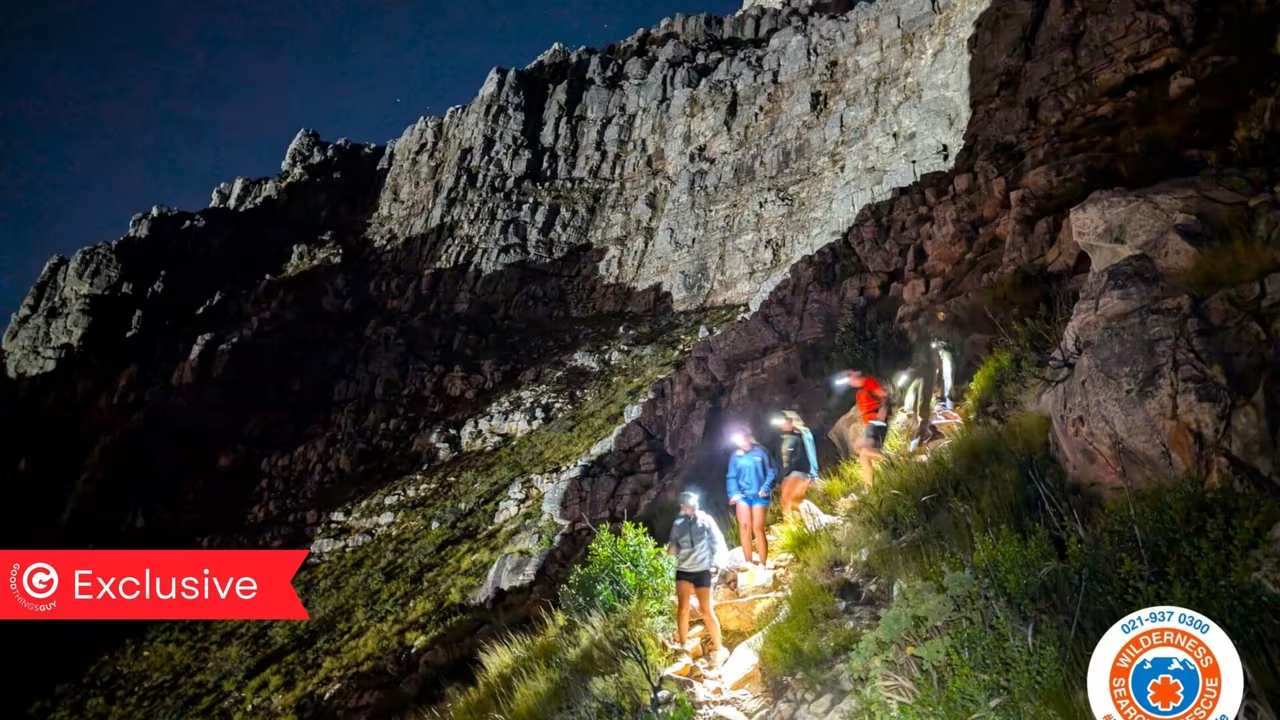
Five years ago, a family lost a brother on a mountain he loved. Today, his legacy is helping others make it home safely. This is all you need to know about “Safe My Mate”.
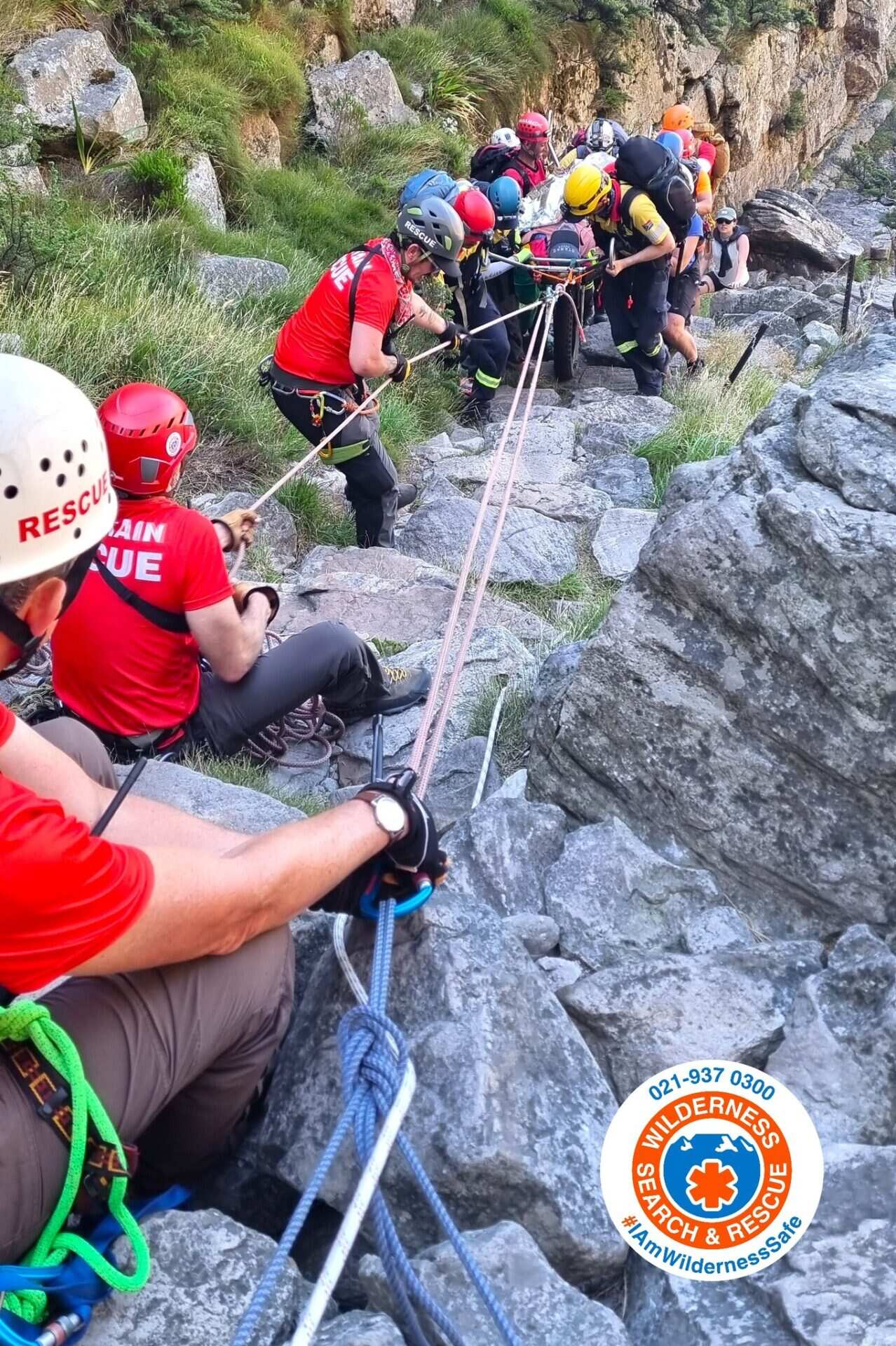
Western Cape, South Africa (02 March 2026) – Wilderness Search And Rescue (WSAR) has launched a new safety call-to-action called “Safe My Mate”. Not as a slogan but as a reminder. A mindset. A way of thinking that says your choices don’t just affect you. They affect the people walking with you, the strangers you pass on the trail, and the volunteers who may one day have to come looking.
“Safe My Mate” is a phrase long used inside South Africa’s rescue and emergency response circles. Now those three words are stepping beyond rescue teams and into the broader outdoor community.
The campaign is being spearheaded by WSAR Western Cape, a non-profit organisation made up of multiple service providers, each bringing specialist skills together for one reason: to save lives. They are the people who get the call when things go wrong. They are also the people saying, very clearly, that the best rescue is the one that never has to happen.
At the heart of “Safe My Mate” are three simple ideas:
We prepare properly and look out for one another. We help visitors, local and international, to stay safe. And we work together, as teams and as a community, to serve others. It shifts the focus away from individual confidence and back to shared responsibility.
“Safe My Mate is more than a casual check-in. It’s a reminder that safety is not just about the individual; it’s about looking out for one another. Whether it’s reminding a friend to carry enough water, gently cautioning ill-prepared visitors, turning around before conditions worsen, or calling for help early. Every action contributes to a safer outcome for all. Together,” WSAR spokesperson David Nel explains.
“Because in the wilderness, your safety and mine are connected. When we prepare properly, make good decisions and look out for those around us, we strengthen the safety of the entire community. I am safe, because we are safe.”
WSAR encourages everyone heading outdoors to stop for a second and think a little differently. Check in with your friends. Speak up when something doesn’t feel right. Make conservative decisions, not just for yourself, but for the whole group. And never hesitate to call for help early.
The campaign launched on the 27th of February, five years since Kim Williams died after falling on Kloof Corner Ridge.
Kim grew up in the Western Cape. He loved the mountains deeply and knew them well. He was sharp, curious and kind, his life shaped by learning at Somerset House, SACS, UCT’s School of Law and the Graduate School of Business. But the mountain was where he felt most alive. On the 27th of February 2021, Kim was hiking a route he had done hundreds of times before. In 2015 alone, he summited Table Mountain 114 times, often in support of charities. That day, for reasons his family may never fully know, he fell from high above Camps Bay. And everything changed.
The idea for “Safe My Mate” came from Kim’s older brother, Murray Williams. It was born from loss, yes. But also from love. And from a desire to make sure that fewer families ever have to experience the same pain. We sat down with Murray to discuss the campaign and to find out how, when he first suggested the idea to WSAR, he hoped it would change how people think about safety.
“A lack of safety can lead to deep trauma, pain and loss. By stark contrast, being safe is healthy and amazing. It’s about staying alive. Being safe is not being timid. It’s a bold promise to each other. Shouted out loud. To own our safety together. ‘Safe My Mate!’”
Kim knew the mountain intimately and respected it. Asked what his brother would want everyday hikers, runners and visitors to remember, Murray doesn’t talk about rules or fear. He talks about people.
“The greatest resource we have, to remain safe and alive… it is not our hundreds of heroic rescuers. It’s each one of us who loves the outdoors. To keep each other safe, we need to prepare properly when we venture outdoors. We need to speak out when we see unsafe behaviour. To be ‘Fierce Friends’ to each other, before injury or tragedy strikes.”
Five years on, Murray says the hope comes from seeing personal loss turn into collective care.
“South Africans are legendary for their love of the outdoors. We’re also brave. Now it’s time to be brave enough to each be a leader in safety. For our families, friends, countrymen and visitors. ‘Safe My Mate’ invites every single one of us to be a champion of safety.
‘I am safe, because we are safe.’ Together. That’s our step forward.”
“Safe My Mate” asks us to do something very simple and very powerful. To look out for one another. To speak up. To prepare better. And to remember that getting home safely is not just a personal win. It’s something we owe each other.