It’s Epilepsy Week, This Is Why Epilepsy Awareness Matters in SA
Good Things Guy | 12.02.2026 16:30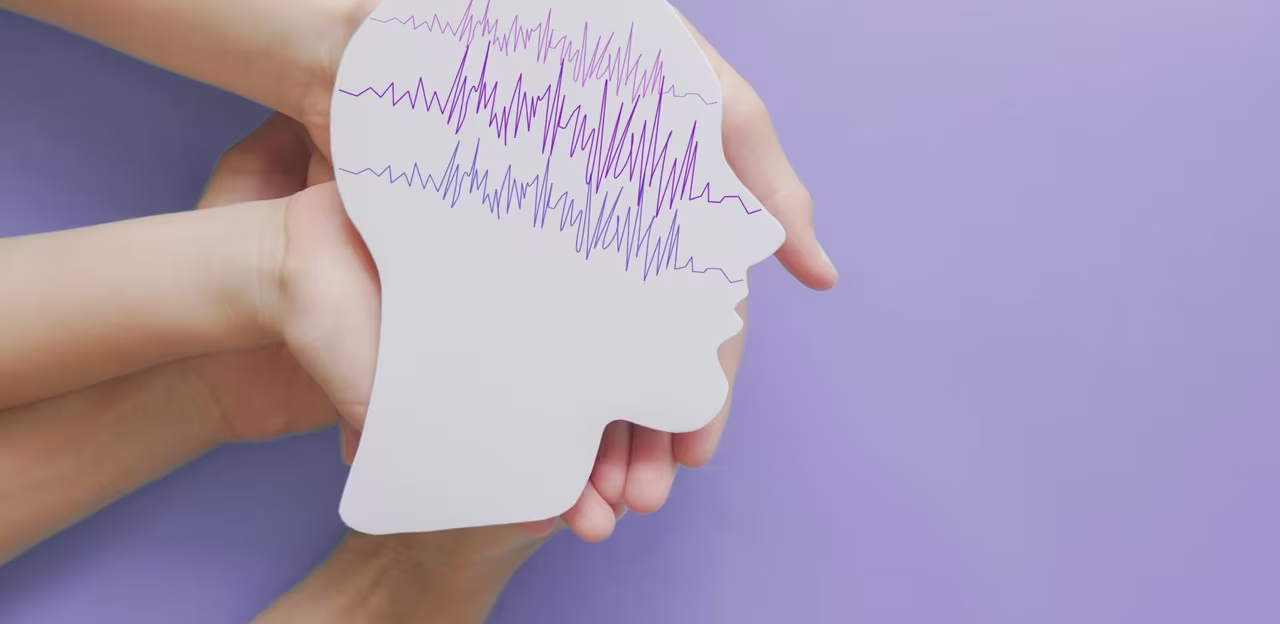
Epilepsy Week 2026 shines a light on one of the world’s most common neurological disorders and what South Africans need to know, including how to help during a seizure.
South Africa (12 February 2026) – Epilepsy affects around 50 million people worldwide. It is one of the most common neurological conditions on the planet, and yet in South Africa, it is still deeply misunderstood.
Epilepsy Week 2026, running until 16 February, is shining a spotlight on the condition and the very real need for better recognition, access to treatment and public education.
According to the Neurological Association of South Africa, up to 70% of people living with epilepsy could live seizure-free if they are properly diagnosed and treated. That statistic alone should stop us in our tracks.
And yet, despite constitutional health rights, there is no specific mention of epilepsy or neurological disorders in South Africa’s Constitution. For many families, that gap reflects a broader reality of underdiagnosis, limited access to specialist care and persistent stigma.
Dr Patty Francis, specialist neurologist and President of the Neurological Association of South Africa, says epilepsy affects people of all ages and increases the risk of premature death up to three times compared with the general population.
“The overall risk of a child having unprovoked seizures is between 1% and 2%, rising to approximately 6% if a parent has epilepsy. Up to 80% of people with epilepsy can control their seizures with medication. The goal of medical management is to restore individuals to their previous level of functioning, allowing them to continue as productive members of society.”
Contrary to common myths, epileptic seizures are not a sign of intellectual impairment. They are not caused by psychiatric disorders, demonic possession, ancestral displeasure or infection.
“Dealing with prejudice and discrimination, based on myths about the condition, is one of the greatest struggles for a person with epilepsy,” says Dr Francis. “Children are often teased or bullied, adults may be unfairly denied employment opportunities, and some are illegally dismissed or demoted once their condition becomes known. The psychosocial harm that results is profound and accumulates over a lifetime.”
Epilepsy is a neurological condition caused by brief, excessive electrical activity in the brain. It can affect anyone, at any age.
“Epilepsy is a neurological medical condition, no different in principle from high blood pressure or asthma. Causes can range from genetic factors and small brain birthmarks to head injuries, strokes, infections including HIV, tuberculosis and tapeworm-related cysticercosis or brain tumors. In approximately two-thirds of cases, the underlying cause is unknown.”
Seizures vary widely in type and frequency. Some individuals may experience several seizures a day. Others may have one a year. They can range from brief lapses in attention or muscle twitching to generalised tonic-clonic seizures, where a person falls, stiffens and shakes.
“Epilepsy is treatable,” Dr Francis emphasises. “Most people become seizure-free when managed properly. Anti-seizure medications reduce the excitability of affected brain cells and most patients only require a single medication. For those whose seizures persist despite medication, surgery should be considered within two years of onset to prevent lifelong psychosocial disadvantage.”
What to Do If Someone Has a Seizure
Knowing how to respond can make all the difference.
Generalised absence seizures
The person may look blank, stare, blink or show slight twitching. These seizures usually last a few seconds before normal activity continues.
What should you do? Reassure the person, who may not be aware that a seizure occurred. Take note of what happened and how long it lasted.
Generalised tonic-clonic seizures
The person may become rigid, fall to the ground and begin jerking. They might bite their tongue.
What should you do? Ensure they do not injure themselves during the seizure. Do not put anything, including your fingers, into their mouth. This can break their teeth and does not help. If the seizure continues for more than five minutes, call an ambulance or take them to the nearest medical facility or general practitioner so the seizure can be stopped as soon as possible.
Safety Tips for People Living with Epilepsy
Practical precautions can help reduce risk and increase independence.
- Avoid standing too close to open flames and place guards around fireplaces or gas stoves.
- Leave the bathroom door unlocked and ensure it opens outwards. Showering is generally safer than bathing. If bathing, keep water shallow and turn taps off before getting in. Avoid bathing alone if possible.
- Those who experience seizures during sleep may be advised to sleep without a pillow.
- Always wear a helmet when cycling or horse riding.
- Activities such as swimming, mountain or rock climbing and sailing should not be done alone.
- Friends, colleagues and companions should be informed about the condition and know what to do if a seizure occurs.
- Wearing a MedicAlert disc identifying you as a person living with epilepsy is also recommended. These are available from Medic Alert.
If more South Africans understand what epilepsy really is, how common it is and how manageable it can be, we move one step closer to a country where no child is bullied for their diagnosis, and no adult is sidelined because of it.
For more information or to join a support group near you, visit Epilepsy South Africa.
If you’ve ever wondered what to do in that moment, now you know. And sometimes, knowing is the most powerful act of kindness we can offer.
Sources: Supplied
Don’t ever miss the Good Things. Download the Good Things Guy App now on Apple or Google.
Do you have something to add to this story? Please share it in the comments or follow GoodThingsGuy on Facebook and Twitter to keep up to date with good news as it happens, or share your good news with us by clicking here or click the link below to listen to the Good Things Guy Podcast with Brent Lindeque – South Africa’s very own Good Things Guy. He’s on a mission to change what the world pays attention to, and he truly believes there’s good news around us. In the Good Things Guy podcast, you’ll meet these everyday heroes and hear their incredible stories:
Or catch an episode of Good Things with Brent Lindeque or our Weekly Top 5 below. The videos here are always changing, updated with the latest episodes from these two shows. Both are part of Good Things TV, created to bring South Africans balance at a time when the news can feel overwhelmingly negative. Our goal is simple: to remind you that there are still so many good things happening in our country – and to leave you feeling a little more proudly South African.