Anti-immigration protests test SA’s law and humanity
Explain | 26.06.2026 19:57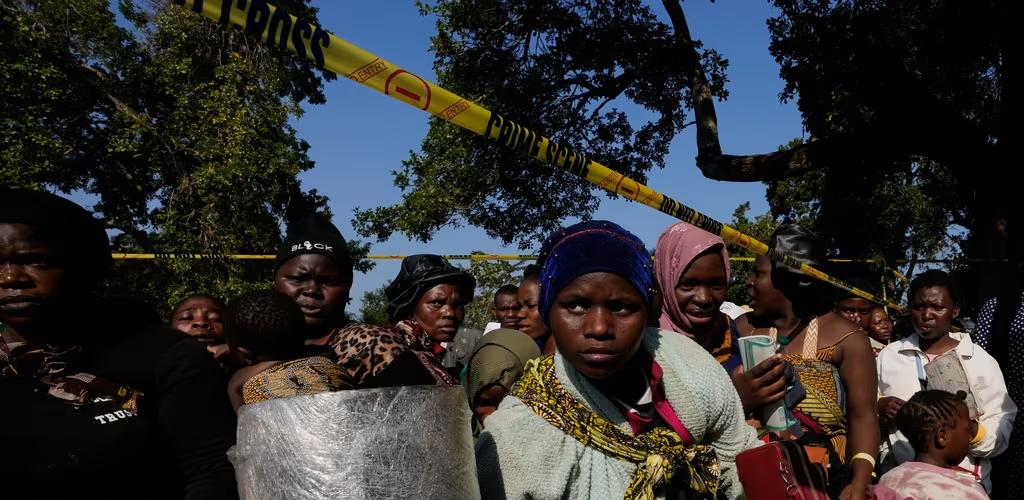
South Africa is heading into 30 June with frayed nerves. Anti-immigration groups have set the date as a deadline for undocumented migrants to leave the country, with planned protests expected nationwide.
The protests are expected to cause road blockages, access restrictions, delivery delays, and temporary business closures, so use this weekend to stock up on all your essential items.
Our other advice? Stay tuned to your neighbourhood group chats, reputable news sites, and government communication channels so that you know which areas protesters are marching on. If you employ workers who may be vulnerable, ensure they’re not on the roads at the time, and you should avoid being out too.
Back to the core issues: Organisers say the action is about illegal immigration, jobs, crime, and strained public services, and that it will be peaceful. But recent events show why many people are worried; these protests do not always stay “peaceful” for long.
Last week, a protest in Pietermaritzburg turned deadly when a 29-year-old Malawian national was killed after marchers moved into the Jika Joe informal settlement. It was not an isolated case: two Mozambicans have also been killed in recent anti-immigrant violence, while countries including Malawi, Ghana, Mozambique and Nigeria have begun helping some nationals leave South Africa because of safety concerns.
To try and prevent more violent incidents and a repeat of the July 2021 unrest, which brought the country to a standstill, the government has moved to strengthen the presence of law enforcement on the ground by partnering with private security companies and cancelling all police leave. Acting police minister Firoz Cachalia said the military would not be deployed; however, authorities would call them in if critical infrastructure was threatened.
“The people who are planning disruption should understand that we’re not waiting for the disruption to happen,” he added.
On Monday, the minister said the pooling of resources to protect South Africans is estimated to cost R600 million. Will this be money well spent? We’ll find out next Tuesday, when protesters take to the streets to demand that immigrants leave.
But should their wish come true, it is unlikely that South Africans who are frustrated with unemployment, failing services, crime and poverty will be satisfied.