Seven global wellness traditions worth borrowing this year
BBC | 16.01.2026 20:00
From Indonesia's herbal tonics to Japan's towel rubdowns, these wellness traditions and habits from across the globe can invigorate your new year.
Last year, Sweden made headlines by playfully suggesting that doctors should prescribe travel to the quiet, nature-focused nation as a way to support health and wellbeing. While the idea was tongue-in-cheek, the notion that travel and health are closely linked is far from new. Since ancient times, people have journeyed to hot springs and health spas, or travelled in search of environments and customs believed to restore both body and mind.
While the impulse to travel for wellbeing has endured, the reasons we seek it evolve with the times. Today, rising loneliness and ongoing burnout have put mental health firmly in the global spotlight. Add to that the challenges of winter, when shorter days and seasonal illnesses take their toll, and it's clear many of us are looking for a lift.
Across cultures, long-held traditions offer ways of slowing down, reconnecting and caring for ourselves. From Spain's lingering post-meal conversations to Italy's evening strolls and Indonesia's herbal tonics, these rituals reflect how wellbeing is often rooted in routine and community.
1. Fight off colds with kanpu masatsu
In Japan, kanpu masatsu was once commonly taught to schoolchildren as part of their daily exercise routine. Literally meaning "a rubdown with a dry towel", the technique involves five to 10 minutes of massaging the skin in slow, steady circles with a dry towel, either directly onto the body or through a thin layer of clothes. The towel massage generates warmth, stimulates the circulation and is said to benefit the immune system, helping to ward off colds. US researchers have also suggested it might help relieve chronic stress, encourage relaxation and enhance lymphatic flow.
2. Strengthen social bonds with sobremesa
In Spain and much of Latin America, the meal doesn't end when the plates are cleared. Sobremesa is the tradition of lingering at the table to chat, share ideas and enjoy coffee or drinks without watching the clock.
This social practice prioritises presence and connection. By extending time together, sobremesa creates space for deeper conversation and shared reflection, reinforcing social bonds that are widely recognised as central to emotional wellbeing.
3. Stay in balance with dinacharya
Ayurveda, India's ancient holistic system of wellbeing, places strong emphasis on dinacharya, a daily routine to help maintain balance and harmony. The idea is that consistent practices promote a calm mind and emotional stability.
Practices vary, but the day could begin by waking up between 04:30 and 06:00, drinking a glass of warm water with lemon and oil pulling – swilling a tablespoon of warm coconut oil in your mouth for 10-15 minutes. Exercise, balanced, healthy meals and a bedtime before 22:00 could follow. While often misunderstood in the West as a rigid health prescription, dinacharya is better understood as a flexible framework that values consistency over intensity.
Read more: India's ancient tradition that aligns mind, body and spirit – and where to experience it
 Getty Images
4. Stay healthy with kimchi
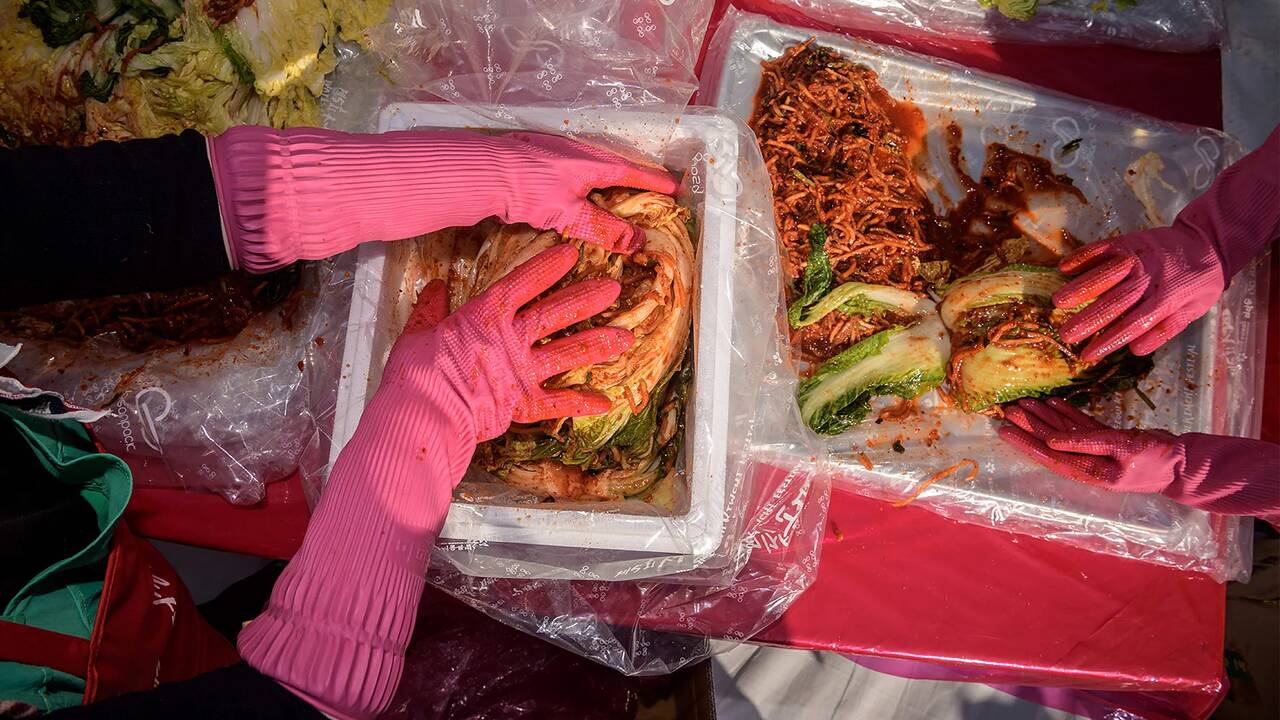
In Korea, gimjang – the communal making of kimchi – is a Unesco-recognised cultural tradition rooted in seasonal preservation. Each late autumn, families gather to cut, chop and pickle vast quantities of vegetables to last through winter.
Kimchi – typically salted and fermented vegetables like radish and cabbage – is served as a side dish with nearly every meal, adding a juicy, sour and spicy crispness to dishes. Eating it is not just an act of cultural preservation but also a health booster: fermented foods are widely associated with gut health.
5. Embrace the outdoors with friluftsliv
In the Nordic countries, winter brings long stretches of low light. In response, traditions have developed that emphasise outdoor time and connection with nature. Central among them is friluftsliv, a philosophy that translates to "fresh air life".
Rather than focussing on endurance or fitness, friluftsliv encourages time outside in all seasons – even snow, rain or sleet – and getting a lungful of fresh mountain air as often as possible. Skiing, hiking and cold-water swimming are just some of the sworn-by activities, all of which involve getting into the wan sunlight as much as possible. Research consistently links time in nature with improved mood and reduced stress, benefits that resonate strongly during darker months.
 Alamy
Alamy6. Boost daily health with jamu
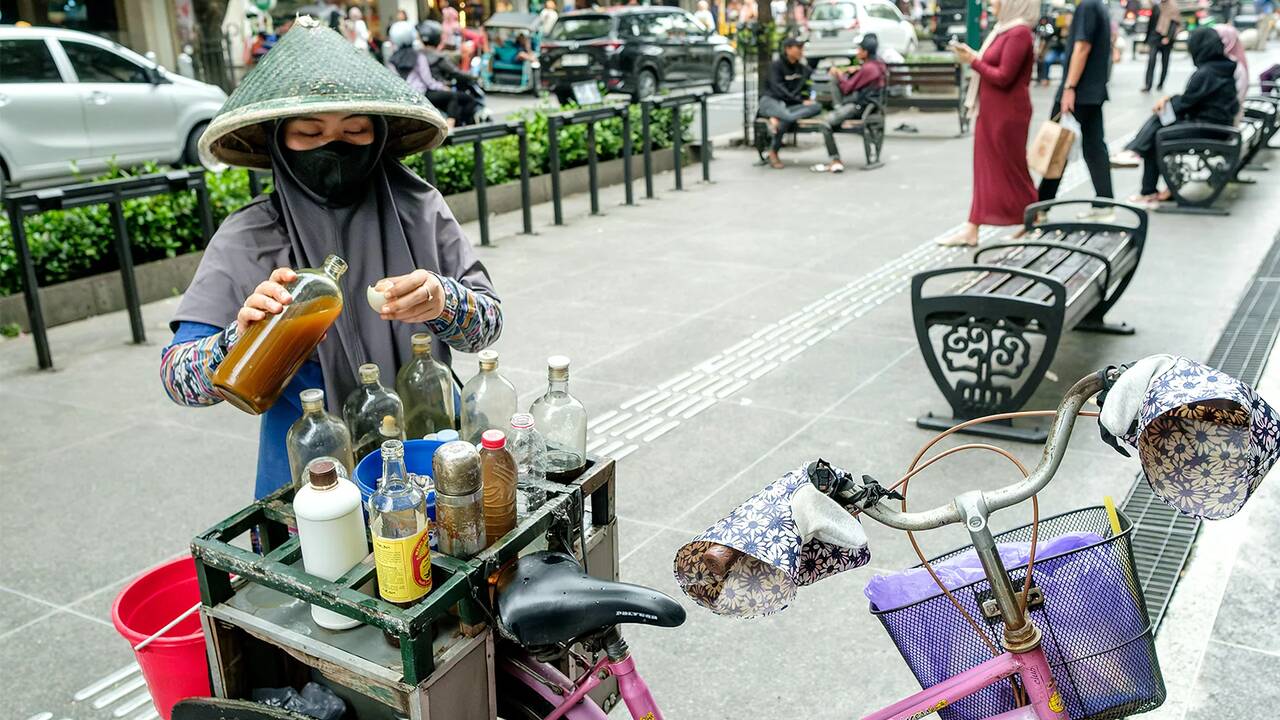
Indonesians have been drinking a zingy herbal tonic called jamu since the 8th Century. Originally thought to be from Java, the drink has hundreds of variations and occupies a space between food, tradition and folk remedy. Ingredients include turmeric, ginger and tamarind, which are pulverised into a thick paste and mixed with water.
The health tonic was repopularised during the pandemic, particularly for its immune-boosting properties. Ginger helps support digestion, while tamarind has antioxidant qualities. Jamu is a piece of Indonesian cultural heritage; Unesco added it to its Intangible Cultural Heritage list in 2023. Like all the best medicines, it's not necessarily a delight to drink: some people find the herbal tonic a little bitter.
7. Slow down with the passeggiata
As a low-impact, zero-cost exercise available to just about everyone, walking is excellent for your health. In Italy, it's taken a little further with the cultural practice of the passeggiata, an early evening stroll around town, which often takes place after dinner.
It sounds simple – and it is – but the benefits are wide-ranging. From offering an easy daily exercise practice to strengthening community bonds, aiding digestion and burning off stress, the passeggiata has a lot to recommend it. Easily adopted elsewhere, it's less about fitness than about making space for daily pause and social interaction.
If you liked this story, sign up for The Essential List newsletter – a handpicked selection of features, videos and can't-miss news, delivered to your inbox twice a week.