Real Politics: Mbalula’s tears were about more than the election
Scrolla | 19.10.2026 14:32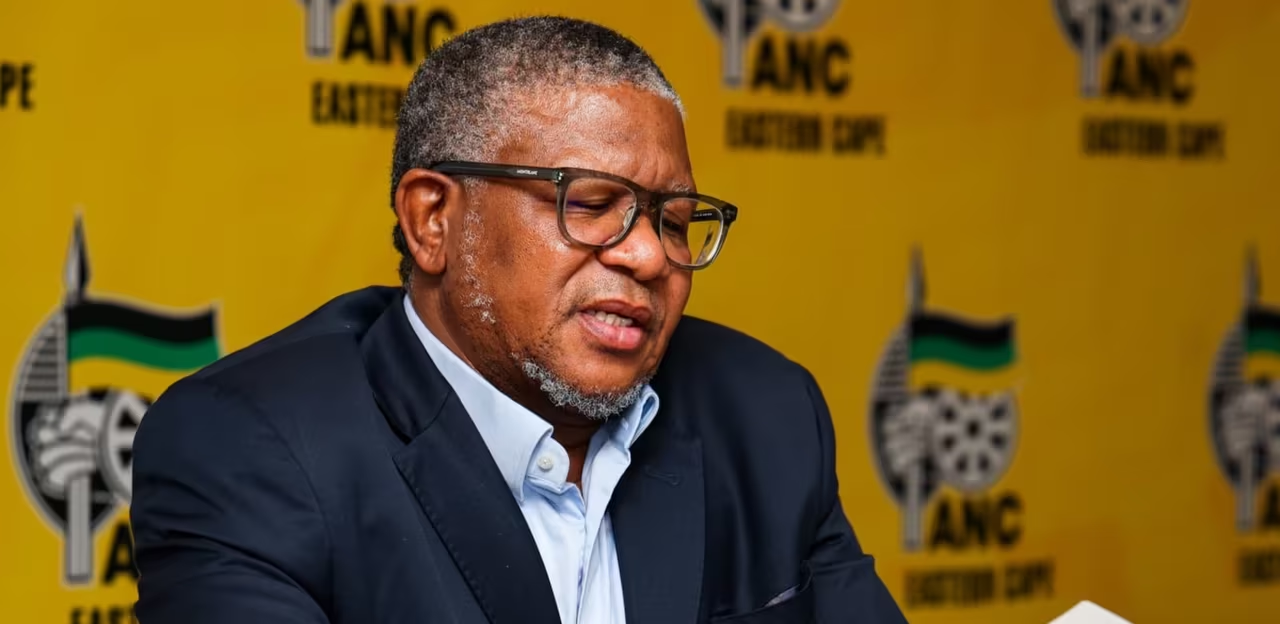
The court ruling restored the ANC’s affected candidates and gave Fikile Mbalula a political lifeline ahead of its 2027 leadership contest, writes Zukile Majova in Real Politics.
It is not difficult to understand why ANC secretary general Fikile Mbalula was overcome by emotion when the Constitutional Court ruled in the party’s favour in its candidate list dispute with the Electoral Commission.
His entire political future had been hanging on that ruling. The court saved his goose.
The man who calls himself the boss at Luthuli House, the ANC’s headquarters in central Johannesburg, has long seen himself as a future president of the party and the country.
Those ambitions gained momentum when he was elected secretary general at the ANC’s 2022 conference at Nasrec. He had previously led its Youth League.
His rise survived controversy over a luxury family holiday in Dubai in 2016, costing roughly R680,000. Part of the bill was funded through an arrangement with Yusuf Dockrat, a director of Sedgars Sport, which supplied the South African Sports Confederation and Olympic Committee while Mbalula was sports minister.
Mbalula maintained that the money was a loan he repaid. The National Prosecuting Authority previously declined to prosecute over the trip.
He has also faced allegations in affidavits that R3-million linked to misappropriated National Lotteries Commission grants helped finance a Bryanston house intended for him. Mbalula has disputed his association with the property and maintained that he does not own it.
In a party long haunted by its leaders’ “smallanyana skeletons”, these controversies did not stop his advance.
For months, his name has circulated for deputy president, and even president Paul Mashatile should become unavailable to contest the top position.
Then came Friday, August 28, the deadline for submitting candidates for the November 4 local elections.
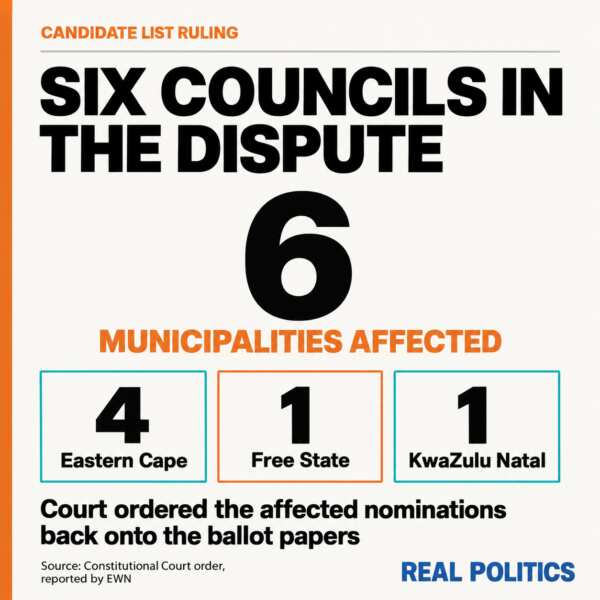
The ANC said it had captured the required information before the deadline, but the final electronic submission step was not completed for candidates in six municipalities.
Four were in the Eastern Cape: Sundays River Valley, Walter Sisulu, Ingquza Hill and Port St Johns. The others were Mangaung in the Free State and uMshwathi in KwaZulu Natal.
In Ingquza Hill and Port St Johns, the ANC faced having neither ward candidates nor proportional representation candidates, whose lists are used to allocate council seats according to each party’s vote.
The blunder brought Mbalula into direct conflict with Eastern Cape structures in a province expected to help launch his campaign for higher office.
Regions threatened to withdraw their support and demanded his resignation before the December 2027 elective conference.
Allegations of list tampering intensified the crisis. An internal report, described in published reporting, identified 34 material changes to the Eastern Cape lists, including removals, insertions, replacements and changes in rankings.
The fallout fuelled branch revolts, disrupted meetings and demands for Mbalula’s head.
MK won about 45% of the provincial vote in 2024 and now threatens ANC control of municipalities, including eThekwini.
At the heart of the Eastern Cape calculation is the OR Tambo region, which includes Port St Johns and Ingquza Hill. Winning an ANC conference without substantial support from this region and the broader province would be a formidable challenge.
That is how high the stakes were for Mbalula.
The fallout also put him into conflict with Andile Lungisa, who says the ANC’s National Executive Committee, its leadership body between conferences, had approved him as its Nelson Mandela Bay mayoral candidate.
Lungisa challenged his removal from the municipality’s proportional representation list, alleging that Mbalula had instructed officials to take his name off.
The ANC cited his criminal record and vetting requirements. But the Johannesburg High Court found the removal unlawful and ordered the party to restore him to its internal list. Submission to the Electoral Commission remained subject to electoral law, and the ANC announced that it would appeal.
The ruling concerned the limits of Mbalula’s authority under the party’s rules. His office did not give him unrestricted power to amend a final list.
Eastern Cape provincial secretary Lulama Ngcukayitobi also accused Mbalula of ordering Lungisa’s removal in a letter threatening defamation proceedings over attempts to blame him for the list crisis.
Granted, ANC guidelines allow adjustments to achieve gender balance and improve skills and youth representation. But those interventions must follow the party’s rules.
Had the Constitutional Court bid failed, Mbalula would have been toast.
So how realistic are his chances at a future conference?
Very high, actually, because his position puts him at the centre of the organisational preparations.
The secretariat oversees the administrative machinery supporting branch, regional and provincial conferences. Those structures produce the delegates who eventually elect the national leadership.
The ANC expects its structures to meet representation requirements, including those concerning women and young people. Interventions to enforce those requirements can carry considerable political weight.
In a party divided by factions, there are fears that organisational interventions can also serve factional interests.
A secretary general preparing for a conference at which he hopes to contest therefore occupies a powerful position.
Mashatile demonstrated the importance of that office when he oversaw the secretariat before the 2022 conference. Although Ramaphosa’s allies secured several leading positions, Mashatile assembled enough support to become deputy president.
Beyond the power of the office, regional and cultural representation also feature in Mbalula’s appeal.
National chairperson Gwede Mantashe, who comes from Cala in the Eastern Cape, has said he will not contest again.
Eastern Cape lobbyists who believe the province deserves stronger representation have promoted provincial chairperson Oscar Mabuyane for deputy president. Both Mabuyane and Mbalula feature in unofficial leadership slates.
Known affectionately by his Mpondomise clan name, Jola, he is Xhosa but also comes from the Free State. That gives him another provincial connection to cultivate.
He would have struggled to secure support there had the ANC’s Mangaung list remained excluded.
Mangaung, the metro that includes Bloemfontein, is already vulnerable to losing its outright ANC majority. The party won just 50.63% of the vote in the 2021 local elections.
Mbalula has therefore survived another major scare, even though the handling of these administrative processes should have earned him a well deserved clobbering.
ANC supporters in Port St Johns and Ingquza Hill faced a ballot without their party because of a failure on his watch.
The court restored that option. For Mbalula, it also kept his own political ambitions alive.
His tears were the relief of a man whose campaign had survived to fight another ANC conference.
Subscribe free