REAL POLITICS: Ramaphosa finds praise in strange political places
Scrolla | 20.02.2026 21:14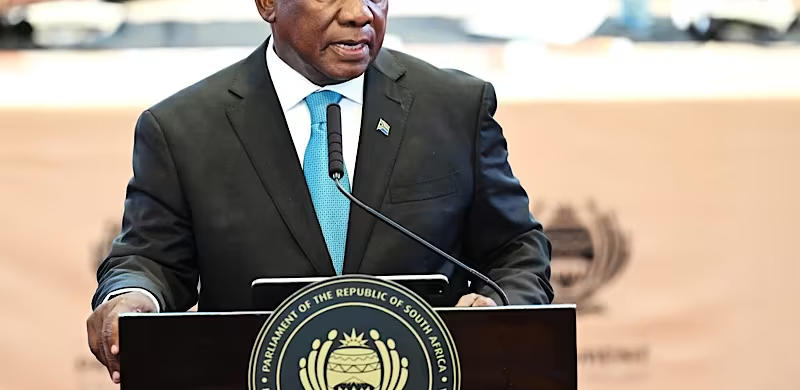
Nineteen months into the government of national unity, President Cyril Ramaphosa is getting glowing praise from former rivals despite deep policy fights and rising public frustration, writes Zukile Majova in Real Politics.
Is the government of national unity really working? That is the big question.
On paper, it looks stable. Eleven political parties sit around the same Cabinet table. They include liberals, nationalists, leftists, conservatives and religious parties. It is a mix few imagined possible before the 2024 general election.
The ANC lost its outright majority in that election. It then invited the DA, Inkatha Freedom Party, Patriotic Alliance, GOOD party, UDM, Pan Africanist Congress, Freedom Front Plus, Al Jama ah, Rise Mzansi and United Africans Transformation to join a unity government.
It was a dramatic moment in South African politics.
Yet this week, something even more surprising happened.
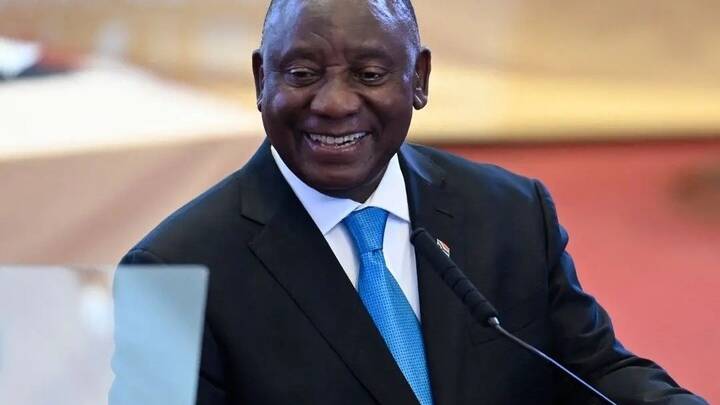
After President Cyril Ramaphosa delivered his State of the Nation Address, leaders of these parties lined up to praise him. They spoke about progress. They spoke about stability. They spoke about a country that is “turning a corner”.
Ramaphosa pointed to four straight quarters of economic growth. He said unemployment is coming down. He argued that the coalition is bringing new energy into government.
DA leader John Steenhuisen, who is also Minister of Agriculture, said the speech showed a country that is beginning to recover after years of drift.
If you did not know he leads the DA, you could have mistaken him for an ANC minister.
IFP president Velenkosini Hlabisa was just as upbeat. He reminded the country that his party joined the coalition to rebuild South Africa.
For the IFP, there is a clear political benefit. The party now leads the government in KwaZulu Natal, even though it won just over 18% of the provincial vote in 2024.
Ramaphosa welcomed the warm words. But he also issued a warning. He said every party in the coalition shares responsibility for both success and failure. If things go wrong, no one can point fingers from the outside.
That is where the praise becomes complicated.
Behind the smiles, serious disagreements remain.
The DA and the ANC are still far apart on Black Economic Empowerment and affirmative action. During the 2026 Sona debate, the DA and Freedom Front Plus called for BEE to be scrapped. Ramaphosa defended it, saying it must be improved, not removed.
There are also tensions over the National Health Insurance plan, the Basic Education Laws Amendment Bill and land expropriation. These issues have divided Parliament for years. They have not disappeared under the unity government.
Foreign policy is another fault line.
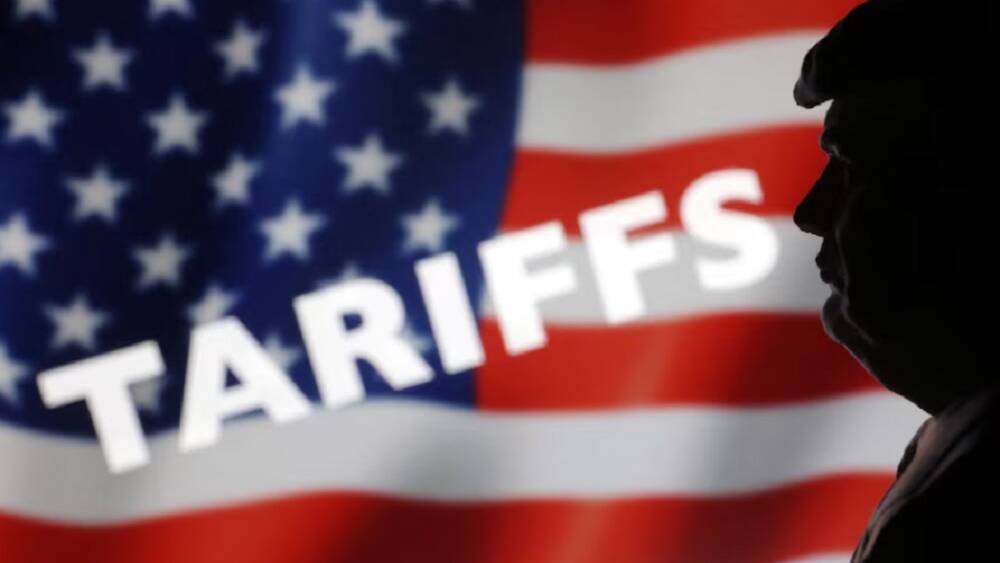
South Africa’s stance on global conflicts has often placed it at odds with Western powers. Some argue the unity government should reset relations with key trade partners, especially the United States. The country benefits from duty free access to the American market under the African Growth and Opportunity Act. Losing that access would hurt exporters and cost jobs.
At the same time, the ANC has long defended its non aligned position and its relationships in the Global South. Whether the unity government will shift that balance is still unclear.
Then there are bread and butter issues at home.
Johannesburg residents continue to face water shortages. The crisis has been building for years. It affects homes, hospitals and businesses in the country’s economic hub. Yet there is little sign of a united, urgent response from all coalition partners.
Unemployment remains painfully high, especially among young people. Growth figures offer some hope, but millions are still without work. Service delivery protests continue across provinces.
The unity government was born out of necessity. Voters did not give any party a majority. About 60% of voters chose parties other than the ANC. The message was clear. Work together. Put the country first.
Public praise after a big speech is one thing. Real unity is tested in tough decisions, budget votes and policy compromises.
If the GNU is truly turning a corner, South Africans will feel it in their taps, in their pockets and in their job prospects.
Until then, the applause may sound louder in Parliament than it does in the streets.
Image source: GCIS