Seven travel trends that will define 2026
BBC | 02.12.2025 20:00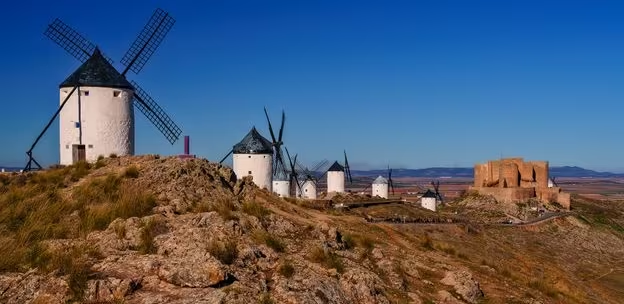
Data from the world's leading hotel groups, travel firms and trend forecasters suggests that 2026 will be the year of quiet escapes, algorithm-shaped itineraries, ultra-personalised retreats and a return to slower, more intentional travel.
Number crunchers, behaviouralists and travel firms have been compiling their data over the last few months to assess where they think the travel industry is heading. From "coolcations" – a trend that emerged a few years ago to become one of the Collins Dictionary words of the year – to
"flashpacking", a term used to denote upscale backpacking, annual travel trends tend to come with an awkward portmanteau-style word and almost always reflect how we live – or how we want to live.
We've sifted through the best of the year's travel predictions, made-up words and all. These are the top trends on the horizon for 2026.
1. Quiet over everything
One trend is set to dominate next year: "quietcations". Also called Hushpitality, this movement centres on comfort, silence and finding a way to escape the compounding stresses of modern life. With our always-on digital culture colliding with an endless rollcall of global events reaching us in real time, it’s no surprise that many of us are looking to disconnect. Hector Hughes, co-founder of Unplugged, a series of digital detox cabins in the UK, has been watching the trend take shape.
"When we first started Unplugged in 2020, digital detoxing and analogue living was pretty much unheard of," he says. "Now, over half of our guests cite burnout and screen fatigue as their main motivation for booking."
The trend is showing up everywhere. Visit Skåne's Map of Quietude is a network of places ranked by decibel in the south of Sweden so you can seek out peace and quiet; while at Oregon's Skycave Retreats, guests stay for three days in cabins in complete darkness.
2. Gen AI over admin
We will undoubtedly see more AI woven into travel in 2026. According to Amadeus research, increasing numbers of travellers are already using generative AI for planning and booking. With major players like Expedia and Booking.com integrating tools such as ChatGPT, it's becoming easier than ever for robots to plan your holiday for you. Add real-time translation and mobile digital check-ins, and technology is quietly removing much of the admin that used to define a trip.
But the rise of AI comes with complications. Sustainability experts warn that algorithmic recommendations can fuel overtourism, funnelling travellers to the same few destinations. It's also behind a growing number of travel scams, so it pays to be use these tools thoughtfully.
 Getty Images
Cultural trends specialist Jasmine Bina, CEO of Concept Bureau, says that Gen AI is shifting how our desires are expressed, but not why we travel in the first place. "You may want to travel to a resort to heal from burnout, but now instead of simply searching resorts on TikTok, you'll use ChatGPT to first figure out what specific kind of burnout you have, what rituals or sensory inputs you respond to, and which destination best mirrors your internal state," she says.
3. Trust over choice
Call it decision fatigue, laziness or the thrill of letting someone else call the shots: there's a clear rise in travel experiences where the guest doesn't have to make any decisions at all.
In the Faroe Islands, choice is being removed in the name of sustainability through their new self-navigating cars initiative; while in other parts of the world, it's being used to help create genuinely restful and relaxing holidays. In Mendoza, Argentina, Susana Balboa's Winemaker's House & Spa Suites has launched a mystery travel option designed to eliminate booking stress and create curated surprises for guests; while in the cruise industry, mystery cruises – where passengers board without knowing the itinerary – are becoming increasingly popular.
A trends report from travel PR firm Lemongrass notes that these types of curated escapes reflect rising decision fatigue and the cognitive overload of making constant micro-decisions, both at home and abroad.
4. Roads over runways
According to research by Hilton, we'll be getting our kicks on road trips in '26. It notes that the hashtag #RoadTrip has racked up more than 5.9 million tags globally as travellers rediscover the appeal of the open road.
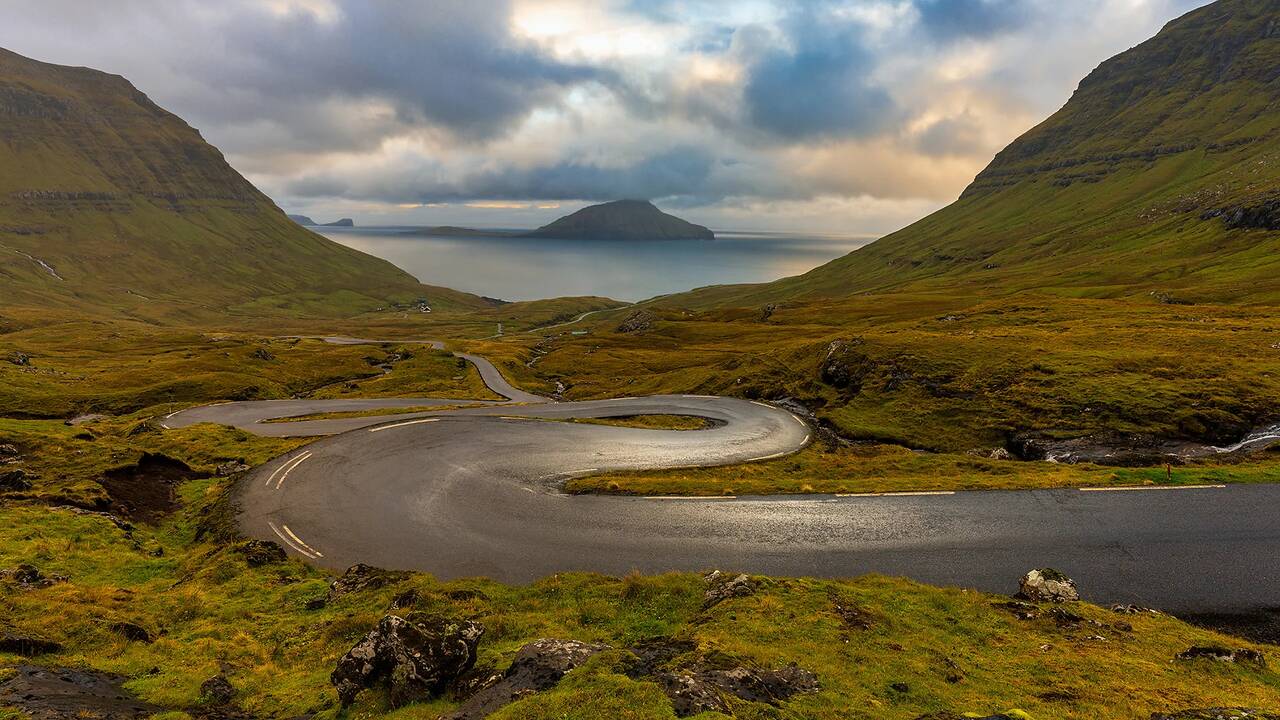
But while driving holiday specialist Hunter Moss is reimagining the classic road trip as a luxury experience – pairing Michelin-starred dining with curated lifestyle stops – many travellers are choosing to drive for a very different reason: cost. According to Hilton's research, 60% of Brits say they'll drive to a destination to save money.
Milena Nikolova, chief behaviour officer at BehaviorSMART, which specialises in understanding how and why we travel, sees the road-trip boom as having a distinctly US flavour. "The nature of the human-car relationship in North America and Europe is very different," she says, "giving them a different attitude to driving for leisure".
5. Ultra personalised over one-size-fits-all
Gone are the days of booking the same trip as everyone else: the travel industry is moving towards hyper individuality on a grand scale. Specialist tours have emerged to serve specific life stages and situations over the last few years, from divorce and grief to menopause retreats, marriage retreats and even niche interest trips like racket sport holidays and insect enthusiasts tours.
For Bina, this shift reflects how we now experience time. "Life has become an infinite scroll, with fewer rituals and rites of passage," she says. "Things like divorce and grief tours and menopause retreats are about creating a sacred pocket of time centred on some intense emotion. These are our new thresholds. People want to pass through them and emerge changed on the other side. That's a huge opportunity for the travel industry to provide meaning and experience on a totally different level."
 pasco.photography
6. Off-grid over tried-and-tested
"More and more of our travellers, especially the anti-Instagram brigade, are turning away from overcrowded hotspots that rarely live up to their over-filtered, uncluttered online image," says Nick Pulley, founder of tour operator Selective Asia. The result is that off-grid destinations are on the rise, with interest growing in places like Toledo in Spain, Brandenburg in Germany, and, for the more adventurous, Iraq. In the UK, the trend is steering people away from prime tourism counties such as the Cotswolds and Cornwall towards lesser-visited areas like Northumberland, Wales and Somerset, according to a report by Lemongrass.
Hilton's trend research also identifies a rise in curiosity-led travel, noting that Brits in particular are seeking personal growth and exploration, even at the expense of work. There's a growing appetite for adventure, whether that’s seeking out authentic homestays in Nepal, visiting lesser-known pockets of Italy or simply any under-touristed region with a strong sense of place.
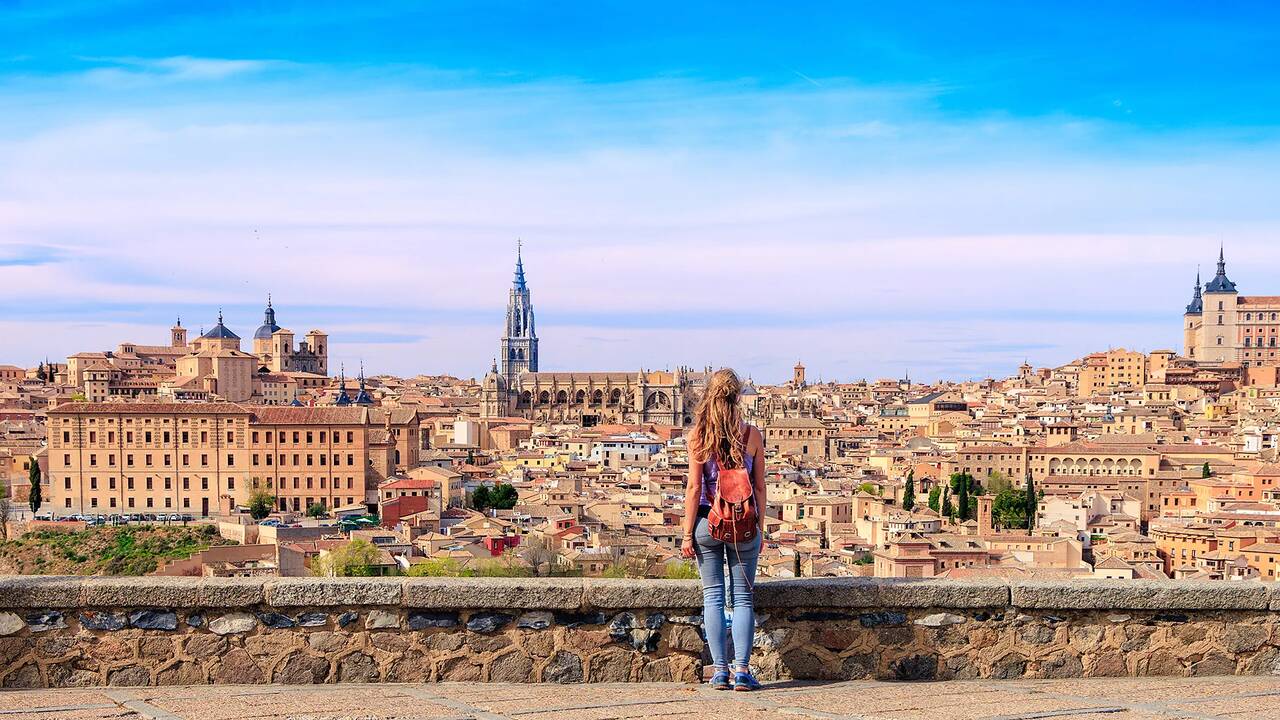
For Nikolova, the shift reflects how experiences now function as a form of social currency. "Today, with social media, experiences are much more tangible and can serve as evidence for status for a long time and with larger audiences," she says. "Part of the status comes also with the fact that adventure travel is also perceived as typical for people with richer travel careers and people who have moved beyond the typical and mass experiences."
7. Culture over hedonism
Fuelled in part by "#BookTok", literary travel is set to keep growing in 2026, alongside its sister trend: "set-jetting" (travel inspired by TV and film). Hotels around the world, even in destinations better known for their nightlife, are getting in on the action. From Ibiza to Madrid, hotel guests can expect anything from rare books and reading retreats to poolside libraries and themed stays.
More like this:
Several destinations are tipped to hit the bestseller list next year: Cornwall, where the new Harry Potter TV series is currently being filmed; the Yorkshire Moors, the backdrop to Emerald Fennell's forthcoming Wuthering Heights film; and Greece, thanks to Christopher Nolan's adaptation of The Odyssey.
Bina sees this trend as a modern form of escape. "In times of rapid change or crisis, we escape to fiction to explore both our fears and desires," she says. "That's why fantasy literature surged in the 1930s and '40s, when the world was at war. Science fiction got popular in the 1960s, during the space race and counterculture era; and mythic and speculative fiction is rising now as we try to make sense of the collapse and rebirth of old systems. Literary travel is like a catharsis – it helps you get even further into the fiction, both mentally and physically."
--
If you liked this story, sign up for The Essential List newsletter – a handpicked selection of features, videos and can't-miss news, delivered to your inbox twice a week.